


The Moment I’d Been Preparing For
June 18, 2025, was a day I had been planning for weeks. After months of researching Paralympic champion Husnah Kukundakwe and following her incredible journey, I had sent her a direct message on Instagram explaining my work with Ubuntu Network and my studies in sports psychology. To my amazement, she responded and agreed to meet during my time in Uganda.
The meeting was arranged at a small, private training pool where Husnah conducts her daily workouts—a modest facility that belied the world-class athlete who trained there. This wasn’t a public event or media opportunity; it was a personal meeting between two young people passionate about swimming and its potential to transform lives.
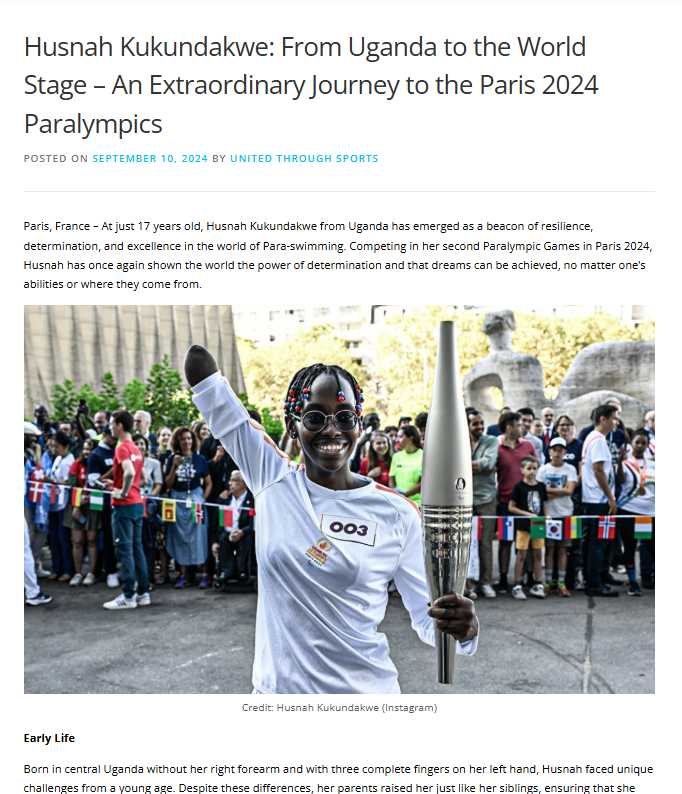
For months before our Uganda trip, I had been researching Husnah’s remarkable story. Here’s her official Paralympic profile where you can see her incredible achievements. Born on March 25, 2007, without her right forearm and with limitations to her left hand, Husnah had become not just Uganda’s premier Paralympic swimmer, but a global symbol of determination and excellence.
Her journey from a shy girl hiding her arm under long sleeves to becoming the youngest athlete at Tokyo 2020 Paralympics at just 14 years old resonated deeply with my own understanding of how sports psychology could transform lives. Reading about her African record-breaking performance in the 100m freestyle with a time of 1:18.27 had convinced me that meeting her would provide insights no textbook could offer.
Beyond the Research: Meeting a Living Legend
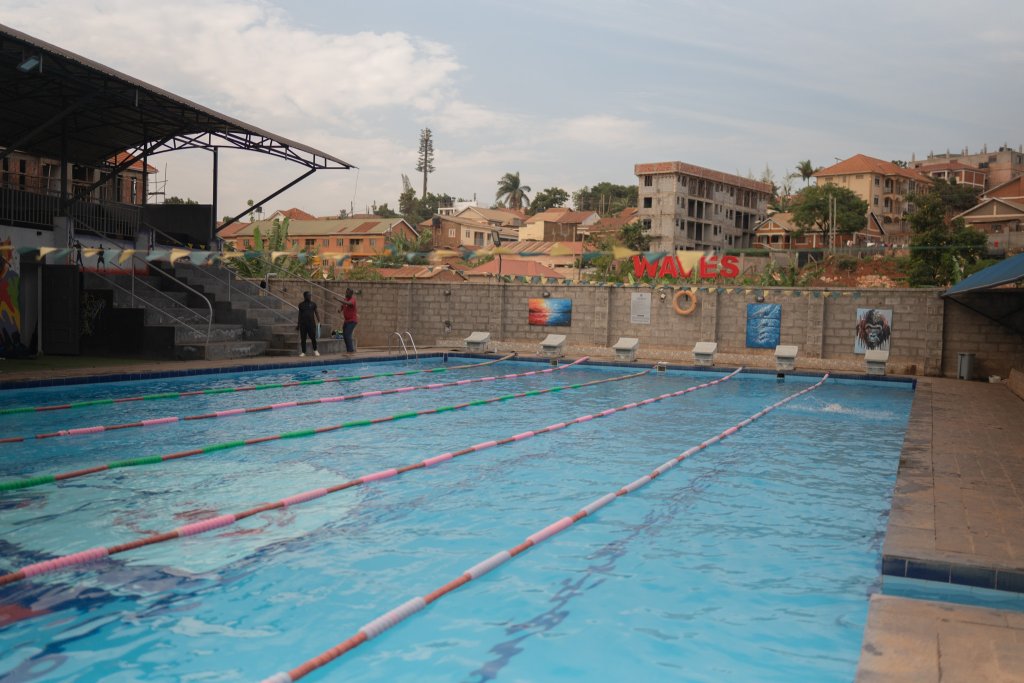
When I arrived at the training facility, I was struck by the contrast between the modest setting and the extraordinary athlete who used it. This small pool, far from the glamorous venues of international competition, was where a Paralympic champion honed her craft daily.
Husnah greeted me with warmth and genuine curiosity about my work with Ubuntu Network and my studies in sports psychology. Her coach, who had been instrumental in her development, joined our conversation and provided additional insights into the unique challenges and strategies required for elite Paralympic training in Uganda.
What struck me immediately wasn’t just her Paralympic credentials—it was her natural ability to connect and communicate complex ideas about performance, motivation, and overcoming obstacles. There was no celebrity distance; she spoke with the enthusiasm of someone who truly loved sharing knowledge about her sport.
The Interview: Insights from a Champion
The interview I conducted with Husnah in her training environment revealed perspectives that would fundamentally change how I understood the intersection of sports psychology, disability, and athletic excellence. The intimate setting of her personal pool allowed for deeper, more honest conversation than any formal interview could have provided.
When I asked about her mental preparation for competition, her answer surprised me.
“The hardest part isn’t the swimming,” she explained. “It’s convincing yourself that you belong there. At my first international competition, I looked around and thought, ‘Everyone here is so much better than me.’ But then I realized—they invited me here for a reason. I earned this spot.”
This insight into competitive psychology from someone who had faced both physical and cultural barriers was profound. Husnah’s advocacy work extends far beyond swimming—she’s been featured by the Malala Fund for her work promoting girls’ education and disability rights.
When I asked about her approach to training with limited facilities—Uganda has only one 50-meter pool, which is expensive and rarely accessible—her response revealed remarkable psychological resilience:
“You work with what you have, but you visualize what you need. I train in 25-meter pools, but in my mind, I’m always swimming 50 meters. Sometimes imagination is stronger than reality.”
The Psychology of Breakthrough Performance
What emerged from our conversation was a masterclass in sports psychology applied under extreme constraints, with valuable input from her coach who had guided her journey from local competitions to Paralympic glory. Together, they described mental training techniques with the sophistication of a team that had been forced to develop psychological tools most athletes never need.
“When you’re the only Paralympic swimmer in your country,” Husnah explained, “you have to be your own role model. I study Katie Ledecky videos not just for technique, but to understand what championship mindset looks like.”
Her coach added insights about the unique psychological challenges of training an elite athlete in isolation: “We’ve had to become experts in motivation and mental preparation because Husnah often trains alone, without the benefit of competitive teammates to push her.”
Her approach to competition anxiety was particularly insightful. Rather than trying to eliminate nerves, she had learned to reframe them as energy sources. “Before big races, I tell myself: ‘This nervousness means I care about something important. Let me use that energy to swim faster.'”
This psychological framework—converting limitations into advantages—aligned perfectly with principles I’d been studying, but hearing it from someone who had applied these concepts to reach the Paralympics was transformational.
Swimming Together: A Transformative Experience
After our interview concluded, something magical happened. Husnah suggested we swim together, and we exchanged swimming caps before getting into the pool—a simple gesture that felt deeply symbolic of the mutual respect we’d established.
What followed was perhaps the most profound moment of my entire journey in sports psychology. Swimming alongside Husnah, watching her navigate the water with one arm while maintaining incredible speed and technique, fundamentally shifted my understanding of what adaptation and excellence really mean.
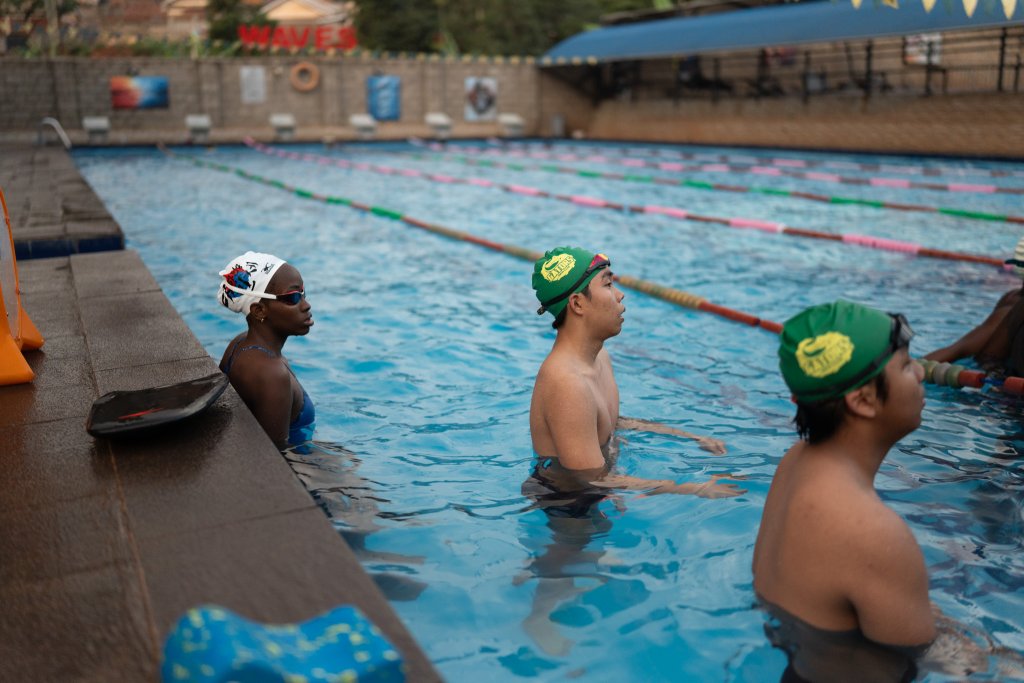
The experience of swimming next to someone who had redefined the boundaries of possibility was overwhelming. Every stroke she took demonstrated years of innovation, adaptation, and relentless pursuit of perfection. Her technique wasn’t just different—it was revolutionary, born from necessity but refined through championship-level dedication.
“This is how I see the water,” she said during a break, explaining how she’d learned to feel currents and resistance differently than two-armed swimmers. “Sometimes limitation forces you to discover things others never find.”
Watching her swim wasn’t just observing athletic technique—it was witnessing the physical embodiment of resilience, creativity, and the refusal to accept conventional limitations. “Technique adapts, but excellence doesn’t,” she explained as we rested between sets. “You find your way to be fast, not everyone else’s way.”
Learning About Global Perspectives on Disability
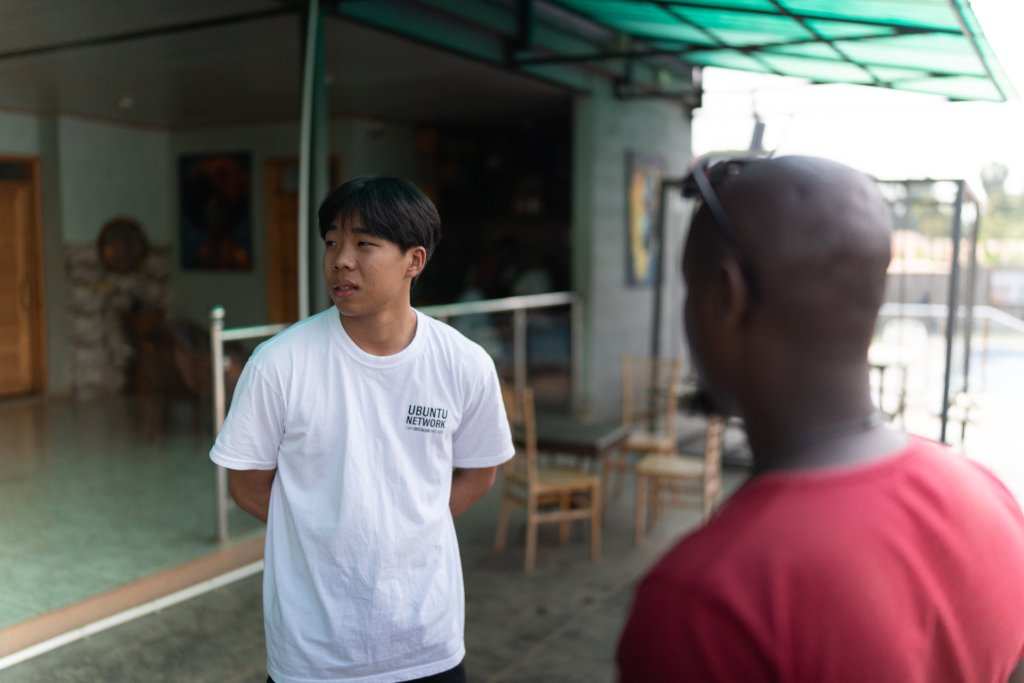
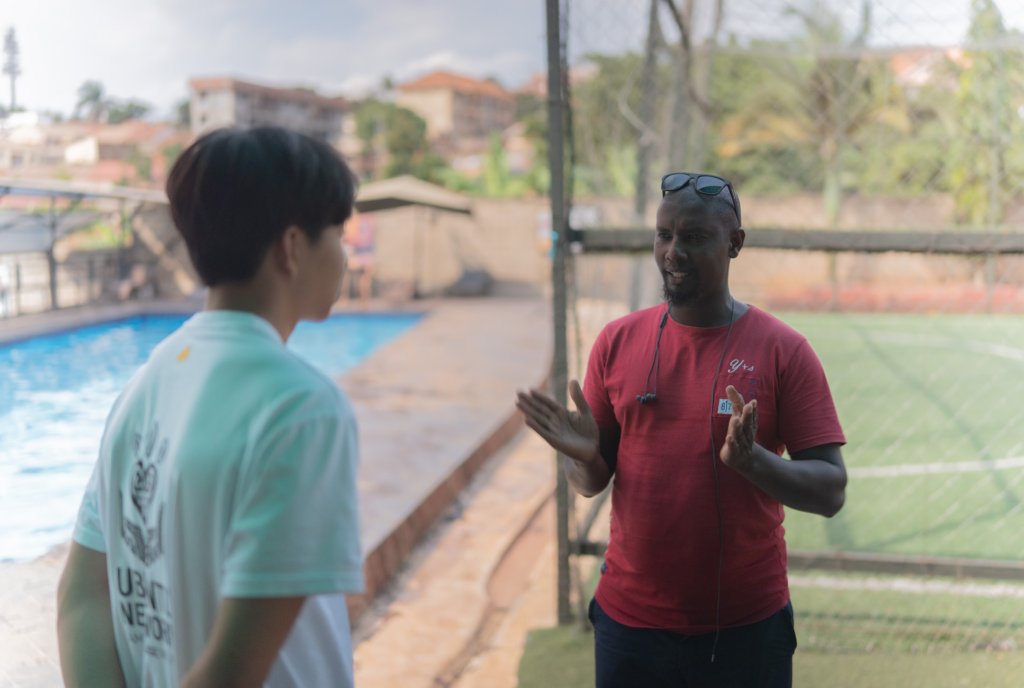
After our swim, our conversation extended beyond swimming technique to broader issues of disability rights and representation in Africa, with her coach providing additional context about the systemic challenges they face. Husnah’s recognition by the International Paralympic Committee as a “Game Changer” reflects her impact beyond athletic achievement.
Both Husnah and her coach shared insights about the unique challenges Paralympic athletes face in resource-limited settings, but also about the opportunities that arise from having to be creative with training methods.
“In Uganda, people with disabilities are often told to hide, to not expect much,” Husnah explained. “But when you swim a world record, when you stand on a podium representing your country, that changes what people think is possible.”
Her coach added: “Every breakthrough Husnah makes opens doors not just for her, but for the next generation of Paralympic athletes in Uganda. We’re building something that didn’t exist before.”
This perspective on the broader social impact of athletic achievement resonated with everything I had been learning about using sports as a tool for changing perceptions and creating opportunities.
Personal Transformation Through Champion Mentorship
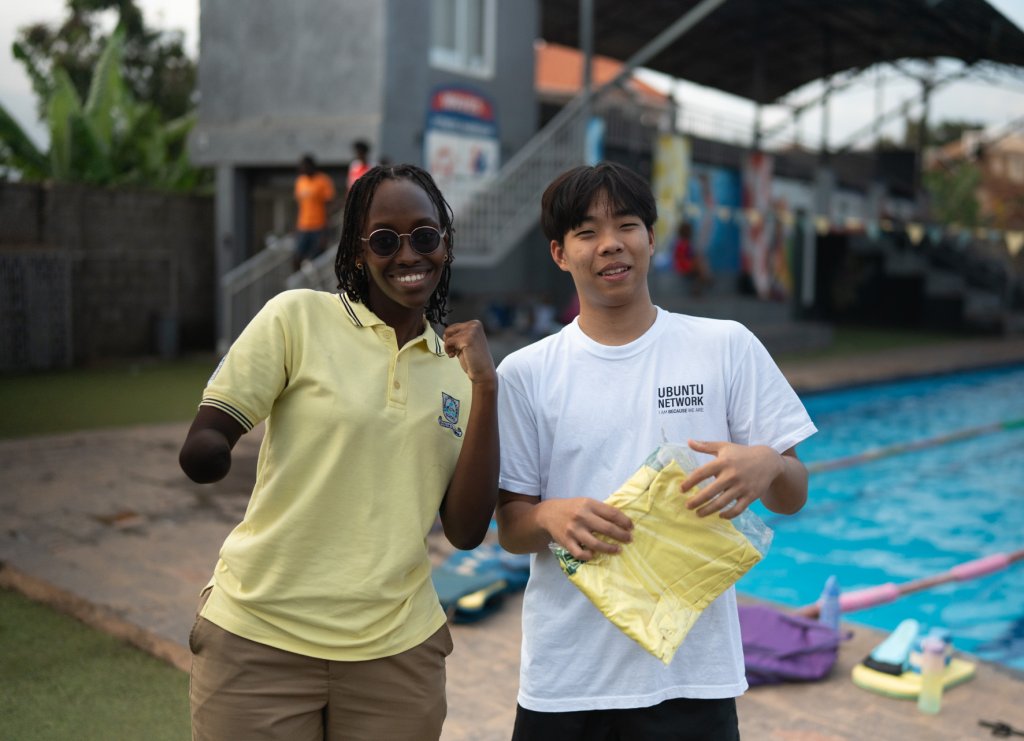
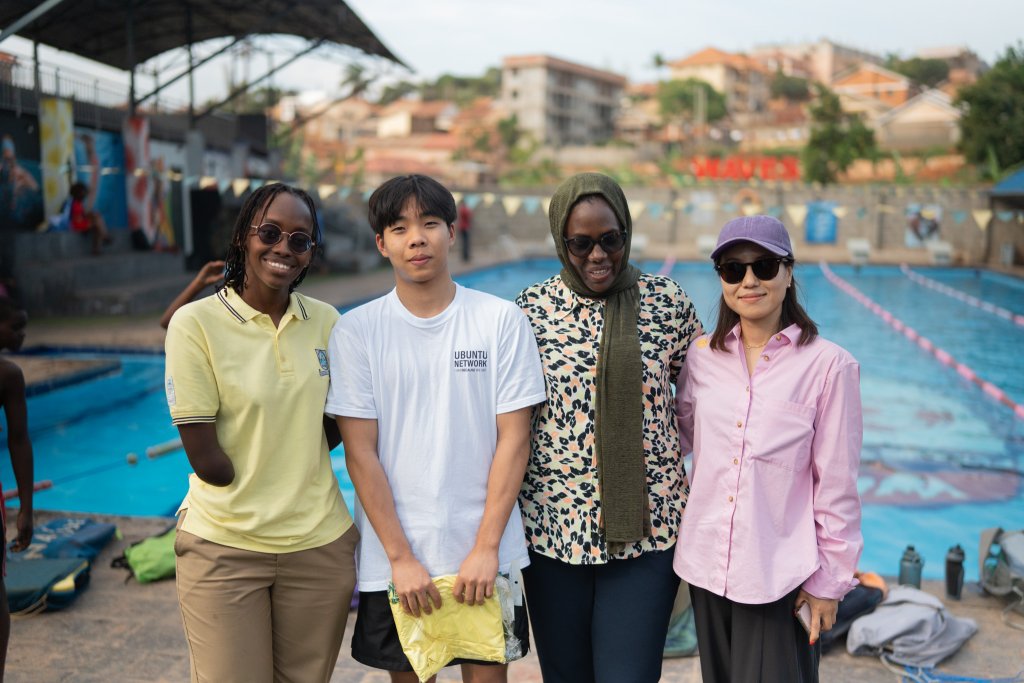
The personal impact of swimming alongside Husnah cannot be overstated. Here was someone only two years older than me who had already achieved what most athletes dream of, while also using her platform for advocacy and social change.
Her approach to goal-setting was particularly influential. Rather than just focusing on personal bests or medal counts, she frames her objectives around impact: “How many young people will see what I do and realize they can do something amazing too?”
This philosophy of performance with purpose aligned perfectly with my growing understanding of how sports psychology could serve broader goals, but experiencing it firsthand—swimming beside someone who embodied these principles—gave it new weight and credibility.
When she asked about my own goals in sports psychology and community development, the conversation became mutual mentorship. She was interested in the systematic approaches I’d learned from coaching Korean Paralympic athletes, while I gained insights into how champions maintain motivation under extreme pressure and resource constraints.
The Exchange of Gifts and Promises
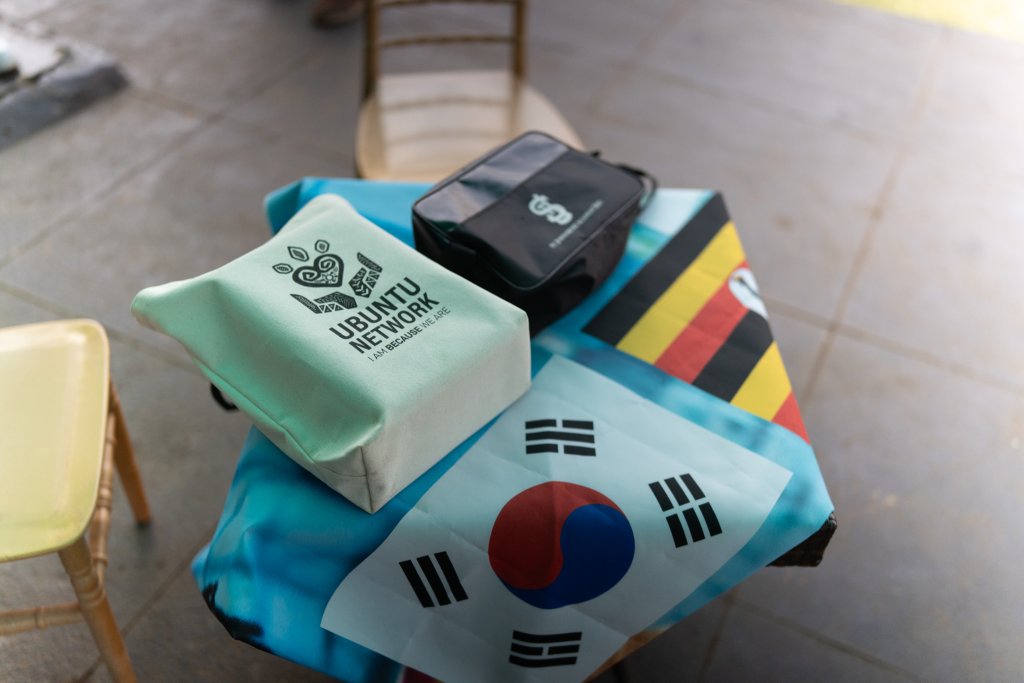
As our time together concluded, we exchanged gifts that symbolized the connection we’d established. These weren’t just mementos—they represented a commitment to continuing the work of expanding opportunities and changing perceptions about what’s possible when communities support individual excellence.
She also shared her contact information and promised to stay connected as I continued my work in sports psychology and community development. The possibility of future collaboration on adaptive sports programming became a concrete goal rather than just an aspiration.
The swimming cap exchange earlier had been spontaneous, but these final gifts were more thoughtful—tokens of a meaningful connection that we both hoped would continue beyond this single meeting.
Redefining Excellence Through Shared Experience

The day with Husnah and her coach—culminating in our shared swim—fundamentally changed my understanding of what athletic excellence means in the context of individual determination and innovative adaptation. Swimming beside her, experiencing firsthand how she had transformed limitation into competitive advantage, provided insights no theoretical study could have offered.
More importantly, her integration of athletic achievement with social advocacy demonstrated how sports psychology principles could serve broader societal goals. Her success had opened doors not just for herself, but for Paralympic sport in Uganda and across Africa.
This model of “excellence with impact,” experienced through actual shared performance rather than just discussion, would become central to how I approached my future research interests in sports psychology and community development.
Looking Forward: Champions Creating Champions
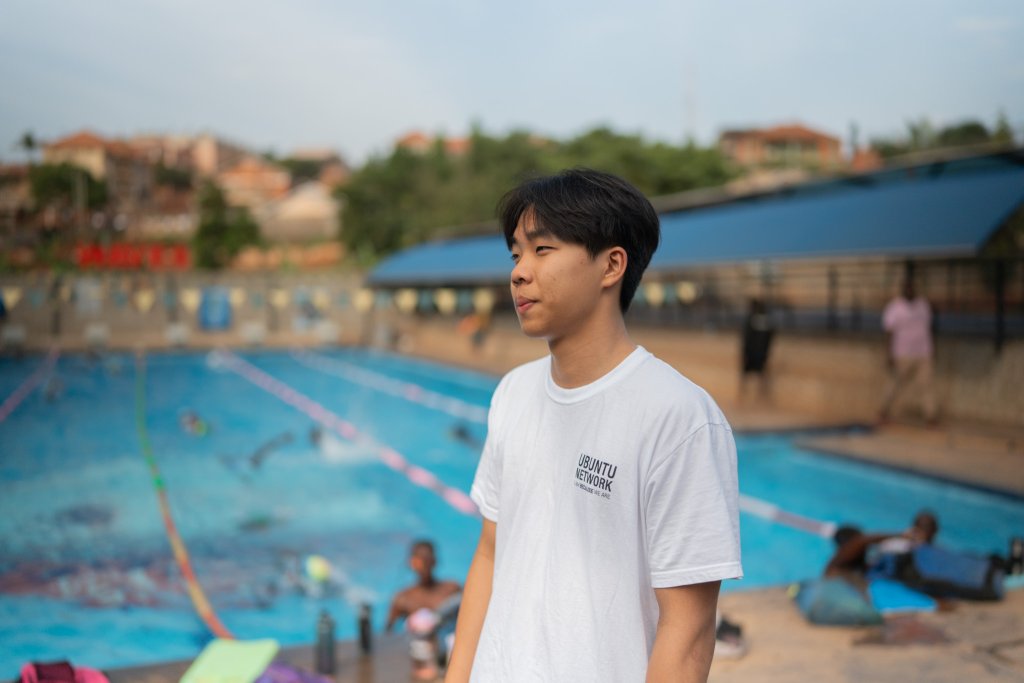
As I left Husnah’s training facility, she had provided more than inspiration—she had given me a living example of how individual excellence and social impact could reinforce each other. The experience of swimming beside someone who had transformed limitations into competitive advantages, feeling the water move around her unique technique, would influence every aspect of my future work.
For my own development, this meeting crystallized the direction I wanted my sports psychology career to take. The intersection of athletic performance, individual resilience, and social change represented an area where academic knowledge could create real-world impact.
The research questions that would shape my future academic work had become clear: How do champions emerge from resource-constrained environments? What psychological strategies enable breakthrough performance under extreme limitations? How can individual athletic achievement catalyze broader social change?
Most importantly, Husnah had demonstrated that true champions don’t just win competitions—they redefine what’s possible for everyone who comes after them. This understanding would prove essential as I prepared to transition from community volunteer to serious researcher and advocate in the field of sports psychology.
The waves we had talked about making together were just beginning to spread.
Related Links:
- Husnah Kukundakwe’s Paralympic Profile
- Her Journey to London 2019 Championships
- African Record Performance
- Game Changers Feature
Next: With transformed understanding of athletic excellence and individual resilience, we continue our Uganda journey with enhanced perspective on what sports psychology can achieve in community development contexts.
About this series: This post is part of my ongoing documentation of community engagement and sports-based advocacy work. Follow along as we explore the intersection of sports psychology, cultural exchange, and inclusive athletics.


