


From Virtual Planning to Real Impact
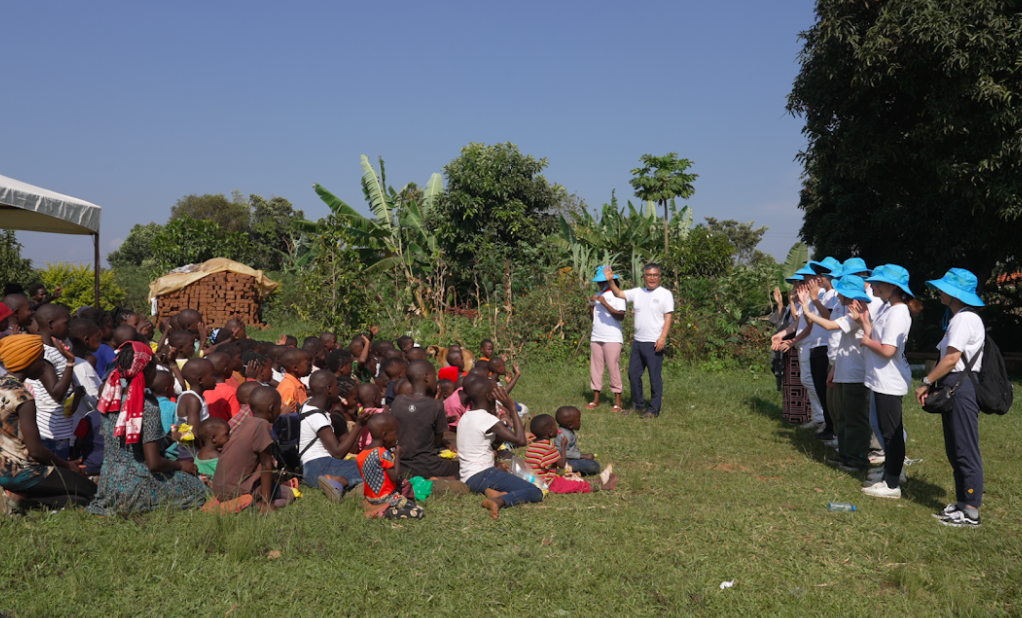
After a year of virtual meetings, fundraising campaigns, and meticulous planning through the Ubuntu Network, February 2024 marked our first physical journey to Uganda. The ten-day trip to Hope Hill School wasn’t just about delivering educational support—it was about understanding how sports and physical activities could serve as universal languages for building confidence, community, and resilience.
What I didn’t expect was how this experience would fundamentally shift my perspective on adaptive athletics and inclusive sports programming, setting the foundation for my future work in sports psychology.
The Bus to Hope Campaign: Creating Access Through Transportation
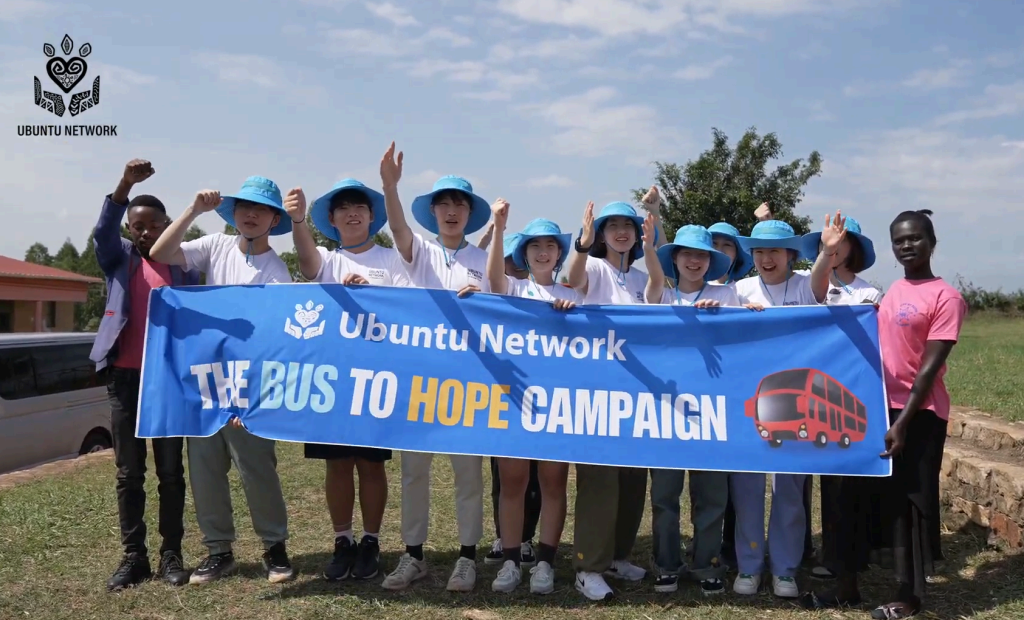
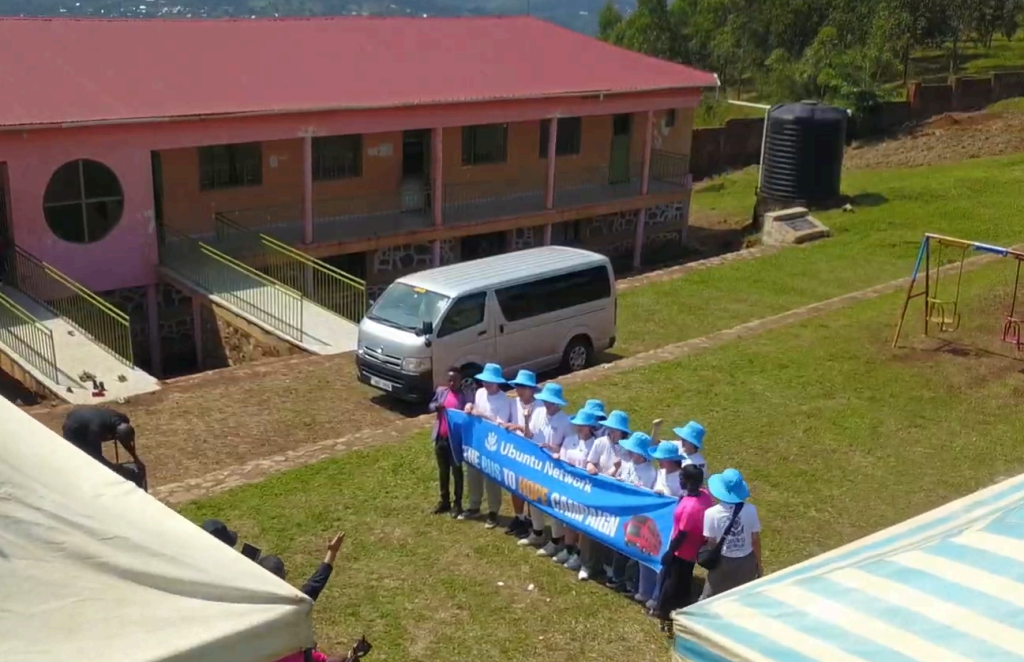
One of our most tangible achievements was “The Bus to Hope Campaign,” a year-long fundraising effort by the Ubuntu Network team. Through community events, presentations, and grassroots fundraising in Jeju, we raised funds to purchase a dedicated school bus for Hope Hill School.
The impact went far beyond transportation. Before the bus, many children faced dangerous daily commutes or simply couldn’t attend school regularly due to distance and safety concerns. The new bus opened doors to consistent education for dozens of children who had been limited by geography and circumstance.
Watching the children’s faces light up as they saw their new bus for the first time was a powerful reminder that sometimes the most transformative gifts are those that remove barriers to opportunity rather than providing luxury.
Ubuntu Scholarship Program: Investing in Individual Potential
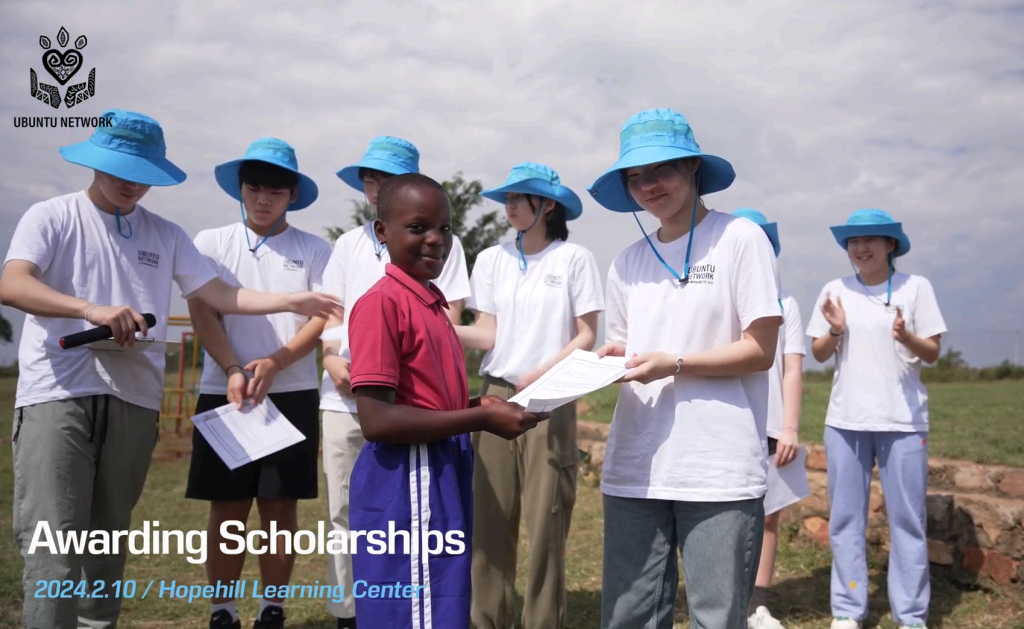
Alongside our infrastructure support, the Ubuntu Network established a scholarship program to provide direct educational support to exceptional students at Hope Hill School. After careful evaluation of academic performance, leadership potential, and financial need, we selected several students to receive ongoing educational scholarships.
This program represented our commitment to long-term individual investment rather than just community-wide support. The scholarship recipients would receive funding for school fees, educational materials, and additional learning opportunities—ensuring that academic potential wouldn’t be limited by economic circumstances.
The scholarship ceremony was profoundly moving. These weren’t just awards; they were investments in human potential and bridges to futures that might otherwise have remained out of reach. The pride and determination in the recipients’ eyes reinforced our belief that sustainable change happens through empowering individuals to become leaders in their own communities.
First Impressions: The Power of Physical Expression
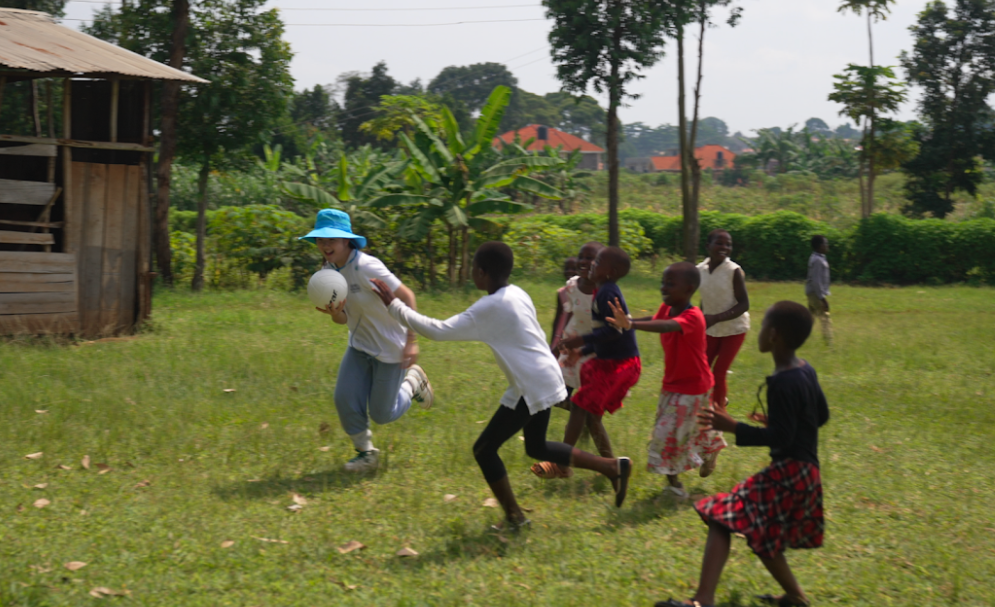
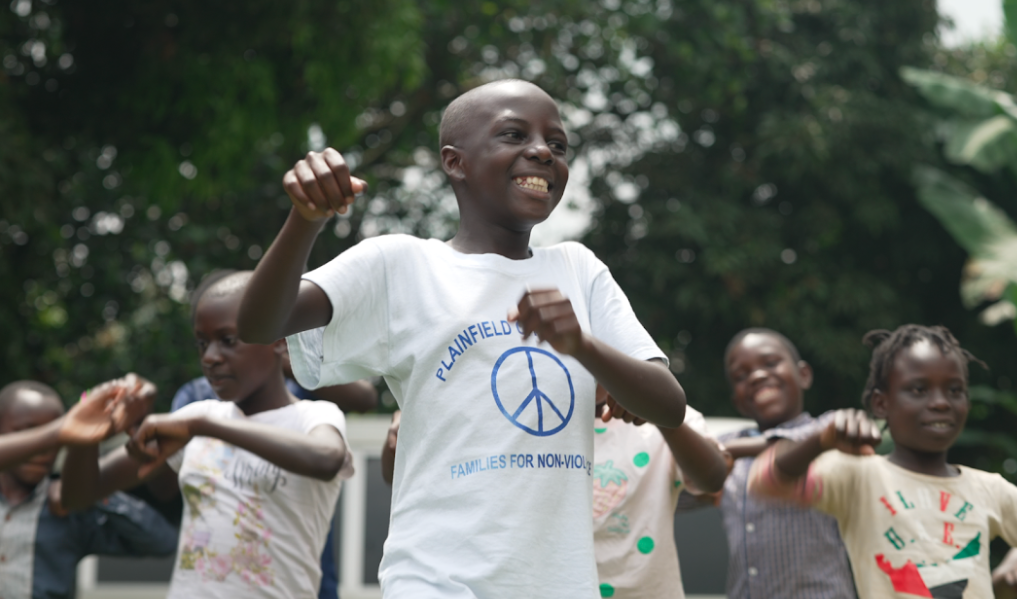
Arriving at Hope Hill School (6888+2RF, Uganda) was overwhelming in the best possible way. Eighty eager faces greeted us with energy that transcended language barriers. What struck me immediately wasn’t what these children lacked, but what they possessed in abundance: an incredible capacity for joy, creativity, and physical expression.
During our first day of observations, I noticed how naturally the children incorporated movement into their learning. Math problems became jumping exercises, English vocabulary turned into clapping games, and science concepts were acted out through body movements. This integration of physical activity with cognitive learning would later influence my understanding of sports psychology principles.
Team-Based Educational Innovation: Each Member’s Unique Contribution
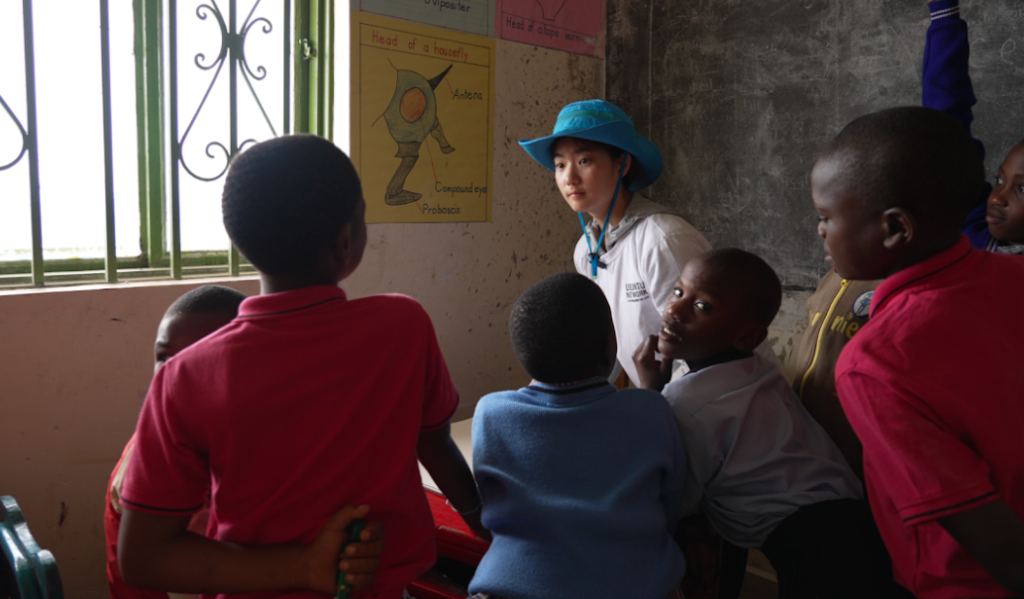
Our Ubuntu Network team approached this mission with careful preparation and specialization. Each team member spent months developing expertise in specific subject areas and teaching methodologies before our departure. This collaborative approach allowed us to provide comprehensive educational support across multiple disciplines.
Mathematics and Logic: One team member focused on making abstract concepts tangible through physical demonstrations and games. Geometry became a treasure hunt around the school grounds, while arithmetic was taught through traditional Ugandan trading scenarios.
Language Arts and Communication: Another member developed interactive English lessons that incorporated storytelling, drama, and music. The children especially loved learning English through songs and creating their own stories about their daily lives.
Science and Discovery: Our science specialist brought hands-on experiments using locally available materials. Simple chemistry reactions with kitchen ingredients and physics demonstrations using sports equipment made scientific concepts accessible and exciting.
Arts and Creative Expression: Visual arts sessions helped children express their experiences and dreams through drawing, painting, and crafts. These sessions often became the most emotionally powerful, as children shared their stories through creative mediums.
Sports and Physical Education: My focus was on integrating physical activities with learning objectives, developing the foundation for what would later become my deep interest in sports psychology and community-based athletics.
This specialized yet collaborative approach taught us valuable lessons about leveraging individual strengths for collective impact—a principle that would later influence my work in team-based athletic environments.
The Sports Day That Changed Everything
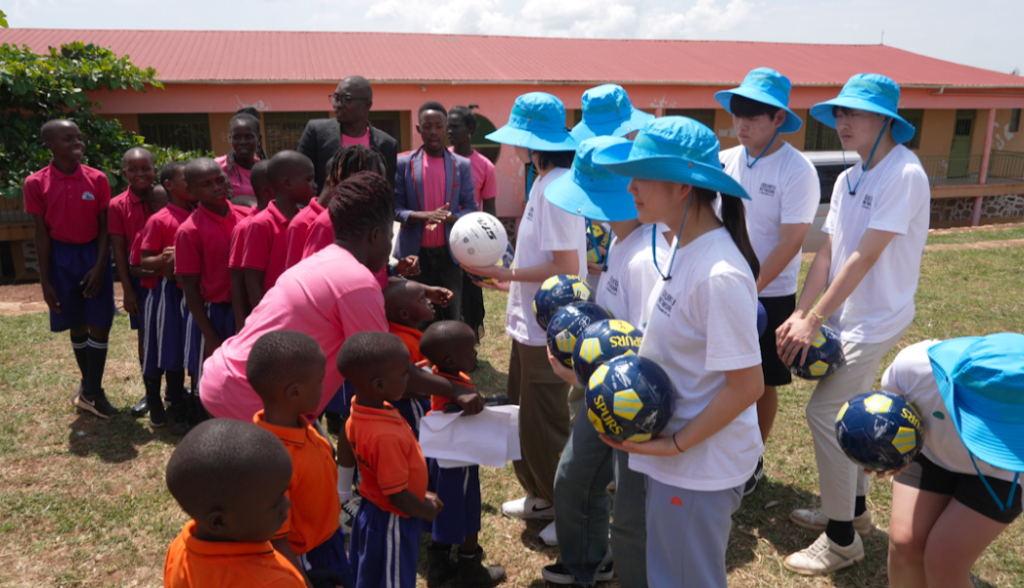
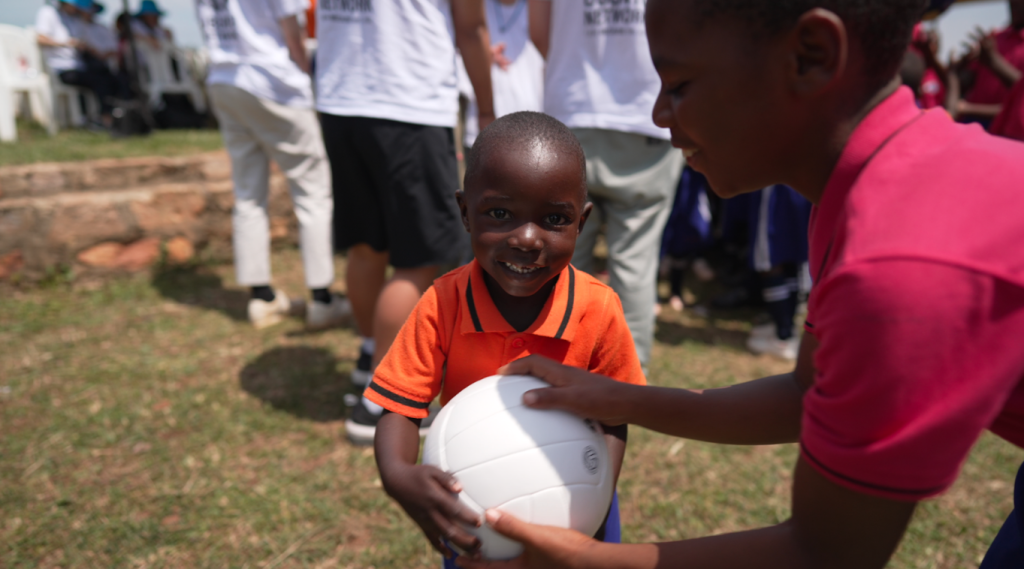
The highlight of our visit was organizing a comprehensive sports day—something the school had never experienced before. Working with local teacher BALUNGI DICKSON KIGOZI and school founder Mr. Choi Taeyong, we designed activities that celebrated different types of physical abilities and encouraged every child to participate.
The events included:
- Track and field competitions adapted for different age groups
- Team sports that emphasized cooperation over competition
- Swimming demonstrations in a makeshift pool area
- Traditional Ugandan games that we learned from the children
- Modified activities for children with varying physical capabilities
What amazed me wasn’t just the children’s enthusiasm, but their natural ability to modify activities for peers who needed different approaches. Without any formal training in inclusive sports, these young people instinctively understood that everyone deserved a chance to participate and excel.
Discovering Individual Strengths Through Movement
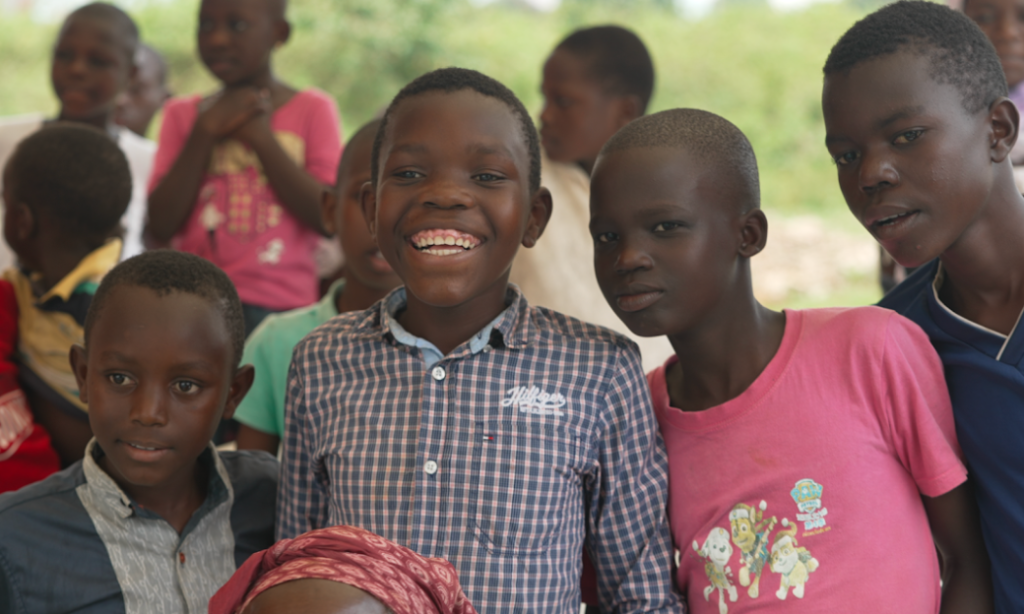
During our swimming demonstrations, something remarkable happened. Several children who had seemed shy or hesitant in classroom settings suddenly became confident leaders in the water. One student, despite having limited use of one arm, demonstrated swimming techniques that inspired his classmates to try new approaches.
This experience taught me a fundamental lesson about sports psychology: physical activities often reveal strengths and capabilities that traditional academic assessments miss. The confidence these children gained through sports participation carried over into their classroom engagement, their social interactions, and their overall self-perception.
Educational Innovation Through Physical Learning
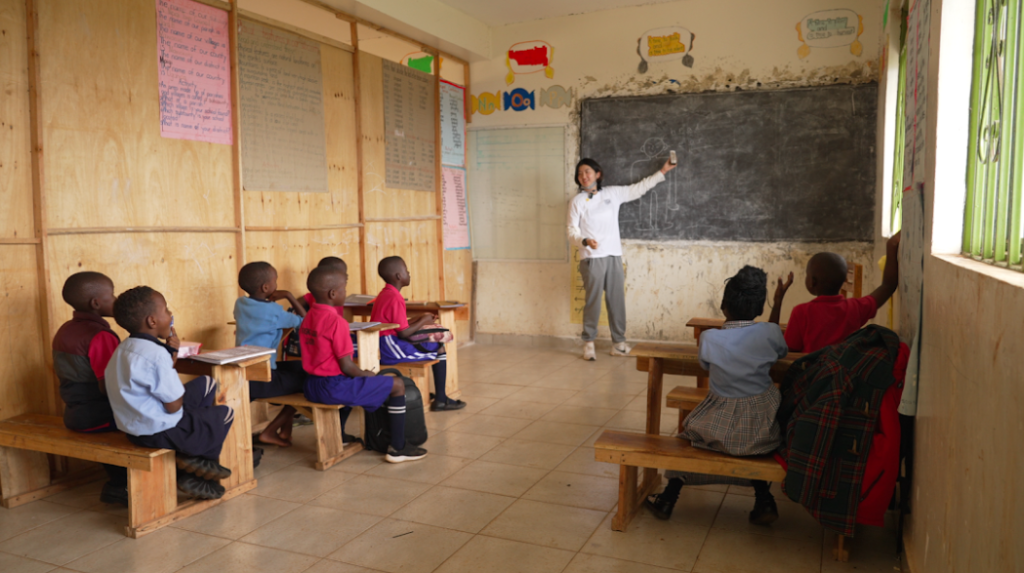
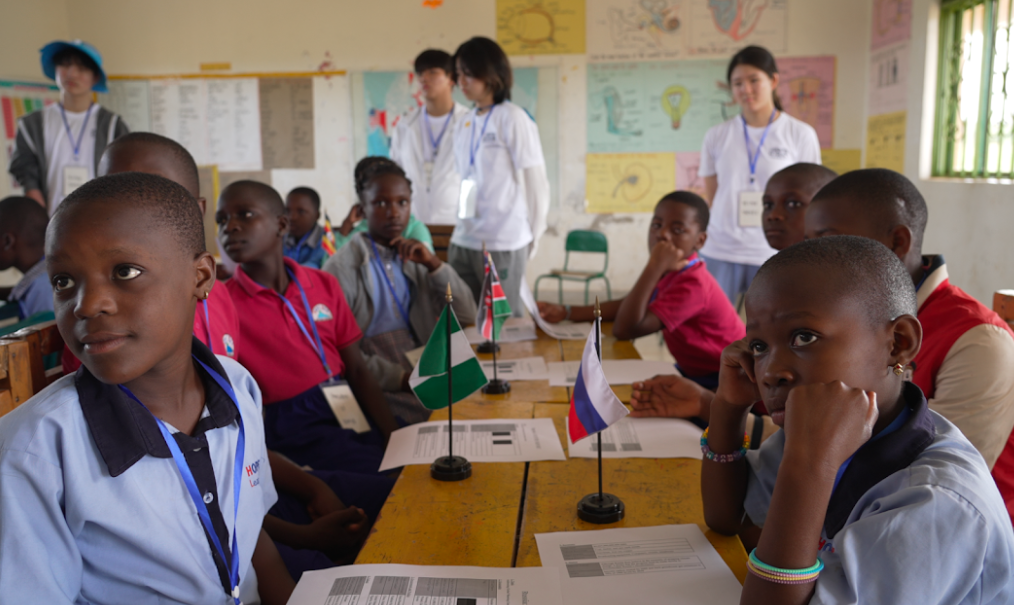
Our educational programming took on a distinctly kinesthetic approach. Rather than traditional lecture-style teaching, we incorporated movement and sports into every subject:
Mathematics: Using relay races to teach addition and subtraction, measuring distances for geometry lessons English: Acting out vocabulary words, using rhythm and movement for pronunciation practice
Science: Demonstrating physics principles through sports movements, understanding biology through athletic performance Social Studies: Learning about different cultures through their traditional sports and games
This integrated approach wasn’t just more engaging—it was more effective. Children who struggled with traditional learning methods excelled when information was presented through physical activities.
The Psychology of Inclusive Competition
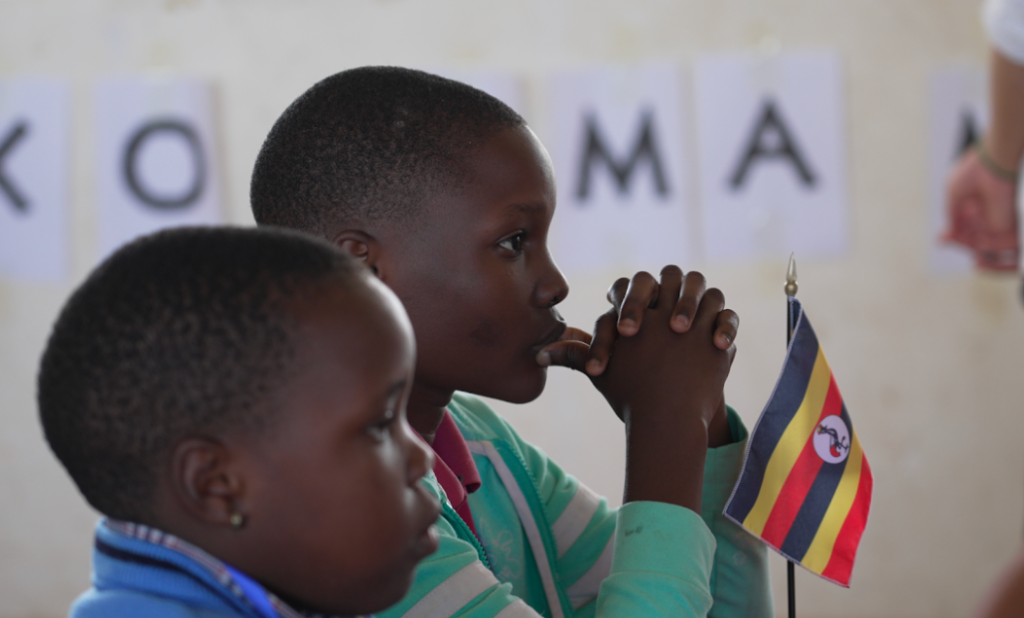
Perhaps the most impactful aspect of our sports programming was creating an environment where every child could experience success. Instead of traditional win-lose competitions, we developed recognition systems that celebrated:
- Improvement and effort rather than just final performance
- Leadership and encouragement of teammates
- Creative problem-solving in challenging situations
- Cultural sharing through traditional games
- Collaborative achievement in team challenges
This approach revealed something profound about human motivation and self-efficacy. When children felt valued for their unique contributions rather than compared to standardized metrics, their engagement and confidence soared.
Building Bridges Through Universal Languages
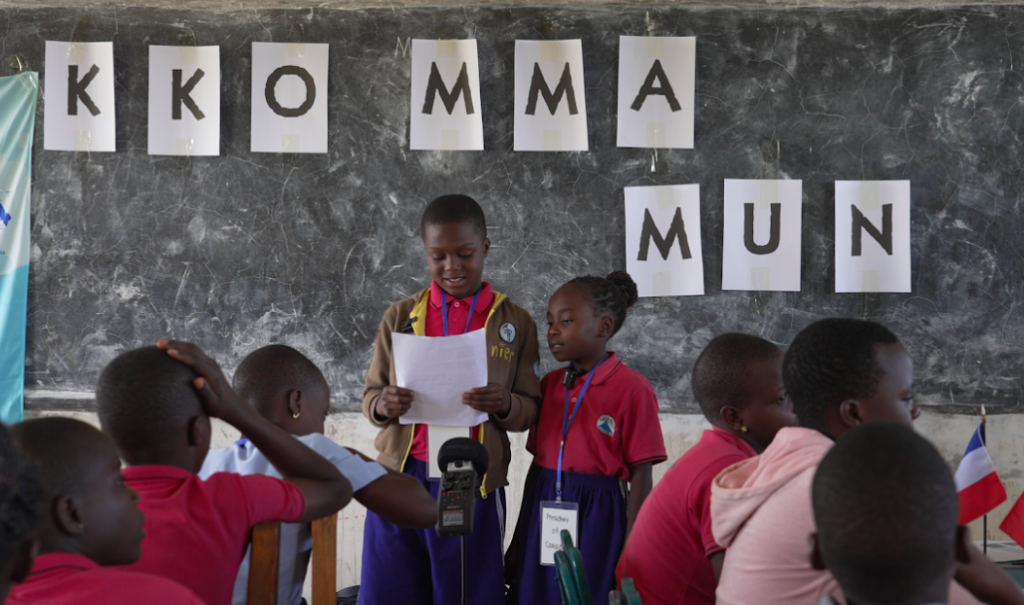
Working alongside local teachers like BALUNGI DICKSON KIGOZI taught me invaluable lessons about cultural sensitivity in sports programming. He helped us understand how to adapt activities to local customs, available resources, and cultural values while maintaining their educational and psychological benefits.
This collaboration highlighted the importance of community partnership in any effective sports psychology intervention. External programs succeed only when they’re designed with, not for, the communities they serve.
Unexpected Lessons in Resilience
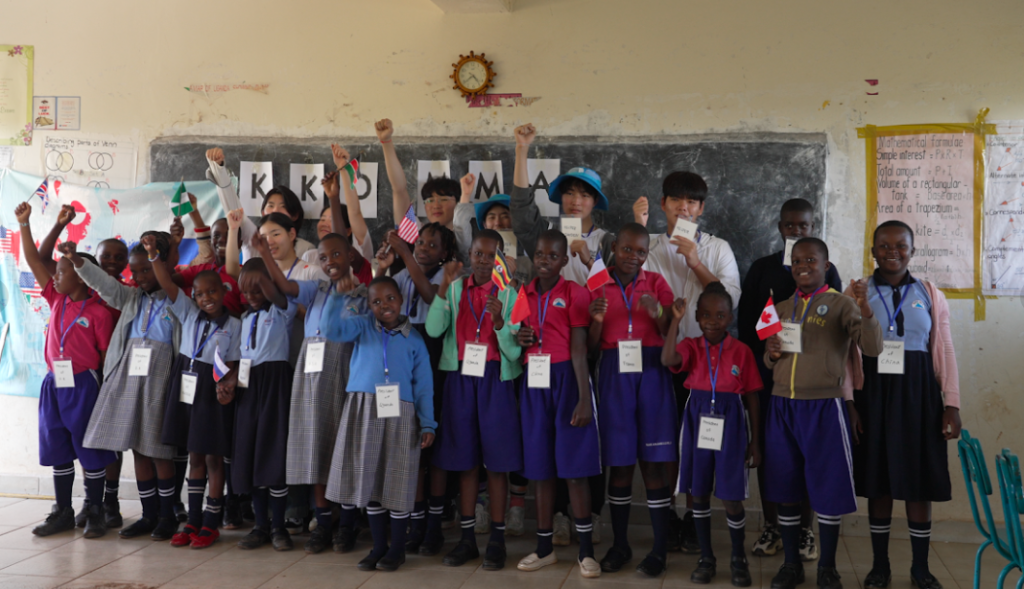
As our ten days concluded, I realized that while we came to teach, we had learned far more than we had given. These children demonstrated levels of resilience, adaptability, and joy that challenged every assumption I had about adversity and human potential.
Their approach to physical challenges—finding creative solutions, supporting each other unconditionally, celebrating small victories—provided insights into the psychology of sports and human motivation. These weren’t lessons from textbooks or research papers; they were lived experiences that would shape my entire approach to understanding sports psychology.
Seeds of Future Research
The Hope Bridge 2024 experience planted essential questions that would guide my subsequent research interests:
- How do inclusive sports environments impact psychological development in underserved communities?
- What role does physical activity play in building resilience and self-efficacy across different cultural contexts?
- How can sports psychology principles be adapted for community-based interventions in resource-limited settings?
- What can sports-based approaches teach us about human potential and motivation?
Looking Forward: From Education to Athletic Excellence
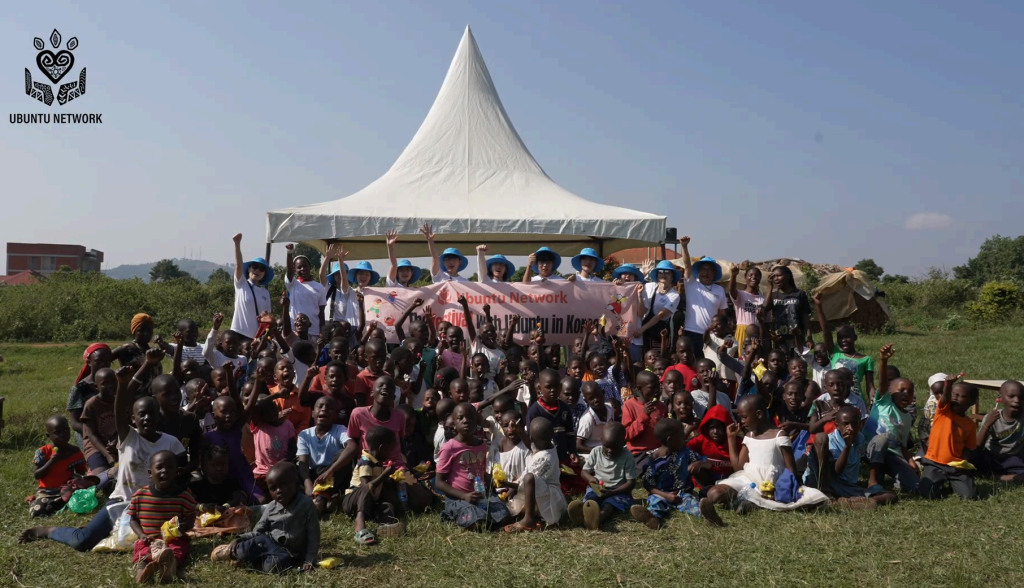
As our plane lifted off from Entebbe International Airport, I carried with me more than just memories and photographs. The children of Hope Hill School had given me a new understanding of what sports psychology could be—not just about optimizing performance, but about unlocking human potential in all its forms.
This experience marked the beginning of my journey toward sports-based community advocacy. The same principles that helped these Ugandan children discover their strengths through movement would later guide my approach to working with athletes of all abilities: celebrating diverse forms of excellence, creating inclusive environments, and understanding that true athletic achievement transcends traditional metrics.
The bridge we built to Hope Hill School became a pathway to my own future in sports psychology. Sometimes the most profound educational experiences happen not in classrooms, but in moments of authentic human connection through the universal language of movement and play.
Next: Our journey continues as we invite Hope Hill students to experience sports programs in Jeju, further deepening our understanding of sports as a tool for cultural exchange and personal development.
About this series: This post is part of my ongoing documentation of community engagement and sports-based advocacy work. Follow along as we explore the intersection of sports psychology, cultural exchange, and inclusive athletics.


