


From Hope Hill to Hallasan: A Journey of Discovery
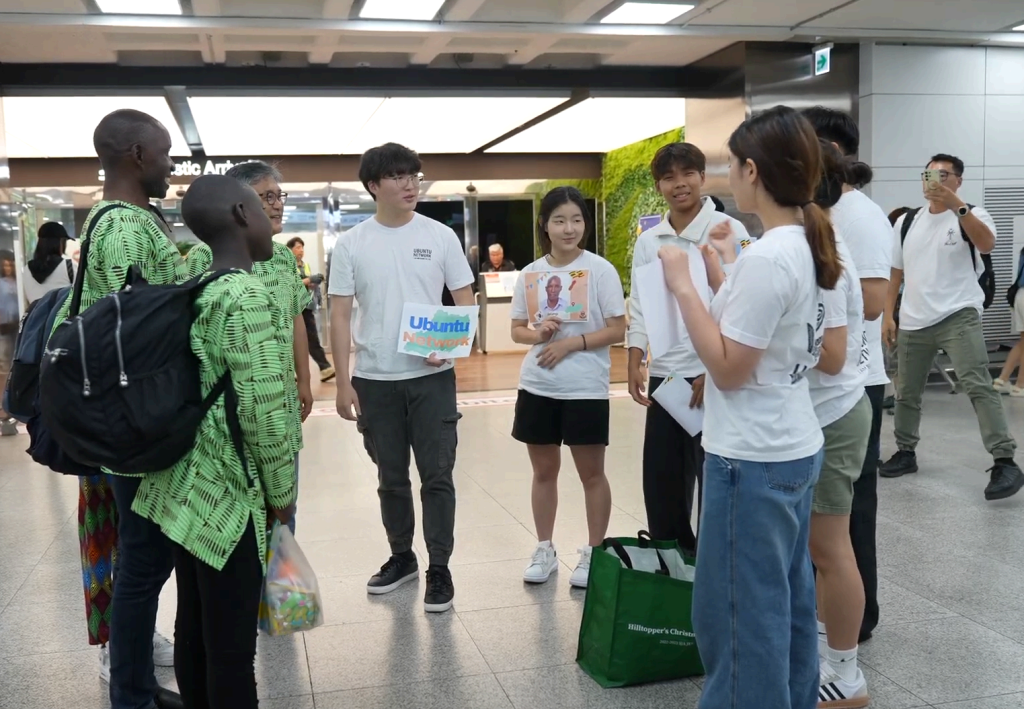
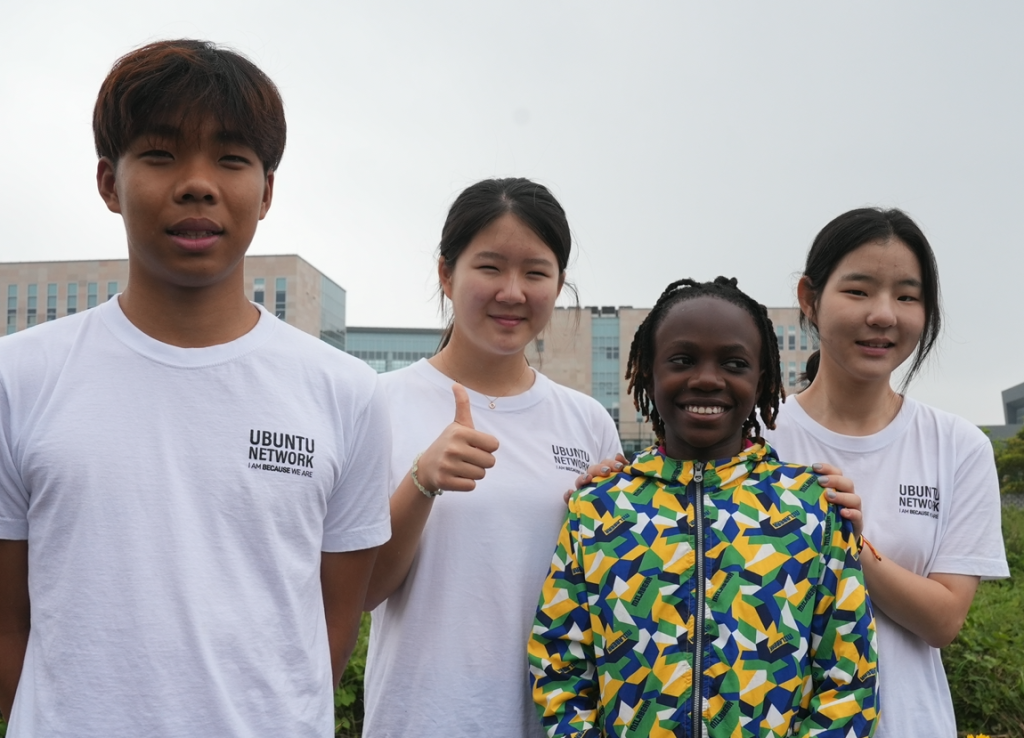
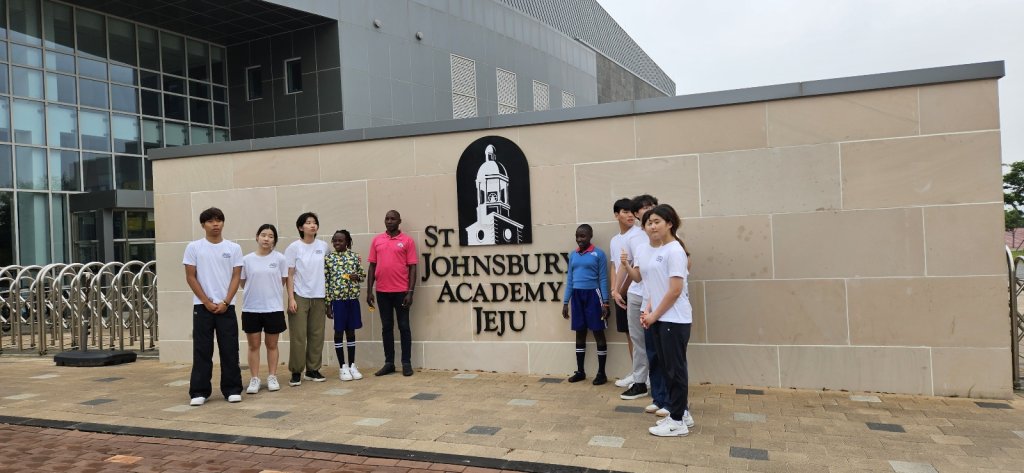
Three months after our transformative experience at Hope Hill School, we had the incredible opportunity to welcome two outstanding Ugandan students to Jeju Island. RUHINDA REHEMA FAVOUR and NAKIMULI GRACIOUS, accompanied by Hope Hill School founder Mr. Choi Taeyong and local teacher BALUNGI DICKSON KIGOZI, embarked on a two-week cultural exchange program that would deepen our understanding of sports as a universal language.
This exchange represented the culmination of Ubuntu Network’s vision: creating bidirectional learning opportunities where cultural boundaries dissolve through shared physical experiences and mutual discovery.
[영상 첨부: Cultural Exchange Highlights – 2주간의 활동을 요약한 3분 영상]
Breaking the Ice: First Steps into Korean Sports Culture
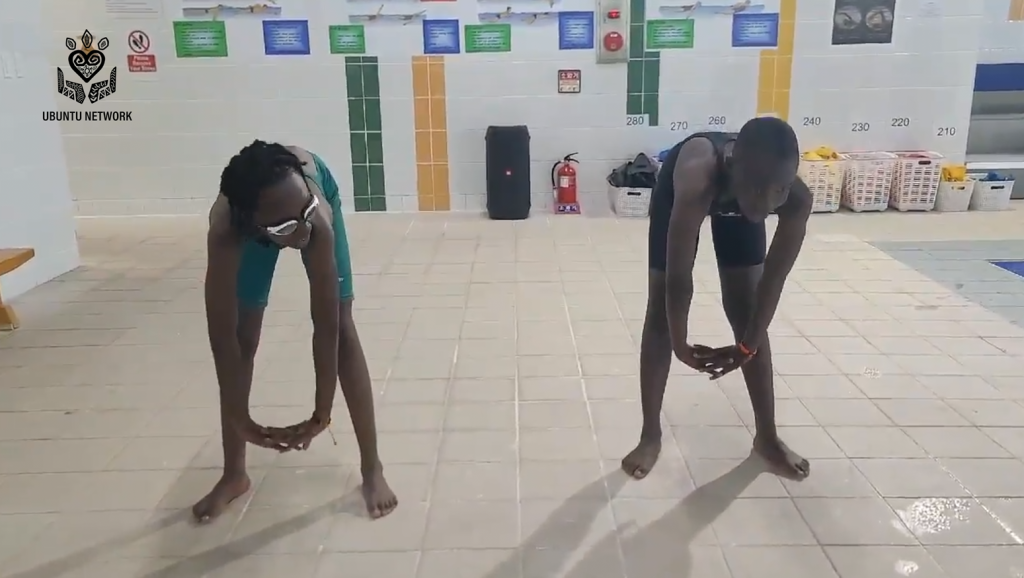
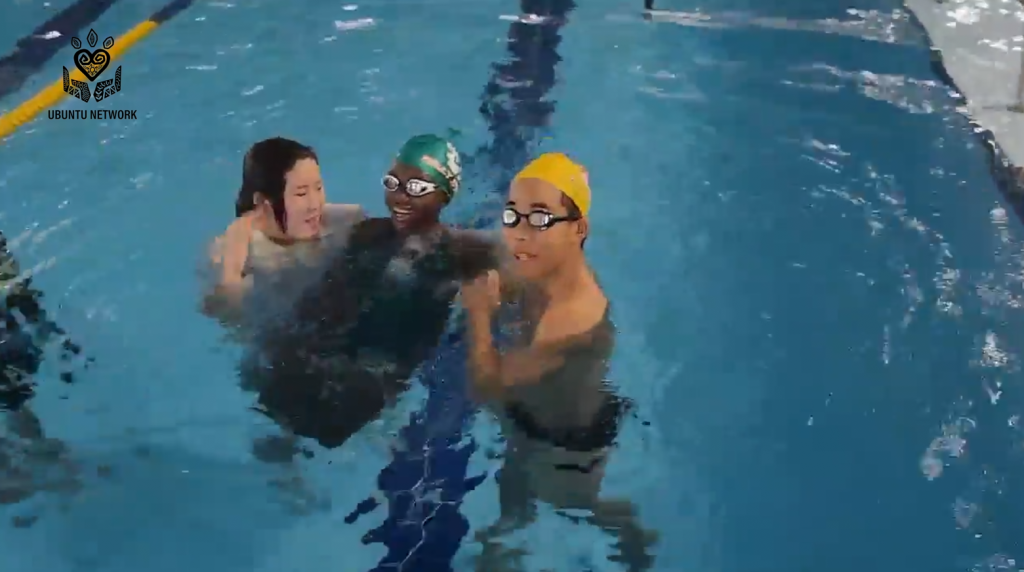
Our first major activity was introducing REHEMA and GRACIOUS to the St. Johnsbury Academy aquatic program. Despite their limited previous exposure to formal swimming instruction, both students demonstrated remarkable enthusiasm and natural ability in the water.
As I guided them through basic swimming techniques, I was struck by their different approaches to learning. REHEMA was methodical and analytical, asking detailed questions about breathing patterns and stroke mechanics. GRACIOUS was more intuitive, experimenting with movement and finding her own rhythm in the water.
Teaching them wasn’t just about technical skills—it became an exercise in cross-cultural communication and adaptive instruction. When verbal explanations weren’t sufficient, we relied on demonstration, physical guidance, and most importantly, patience and encouragement.
Art, Science, and Wonder: Expanding Horizons
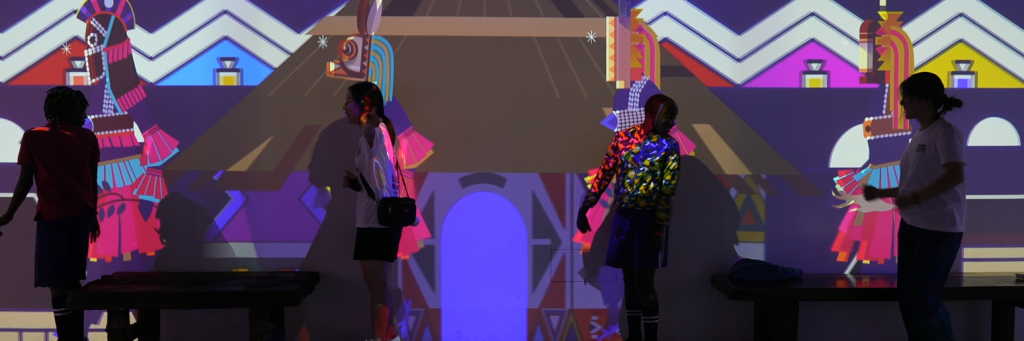
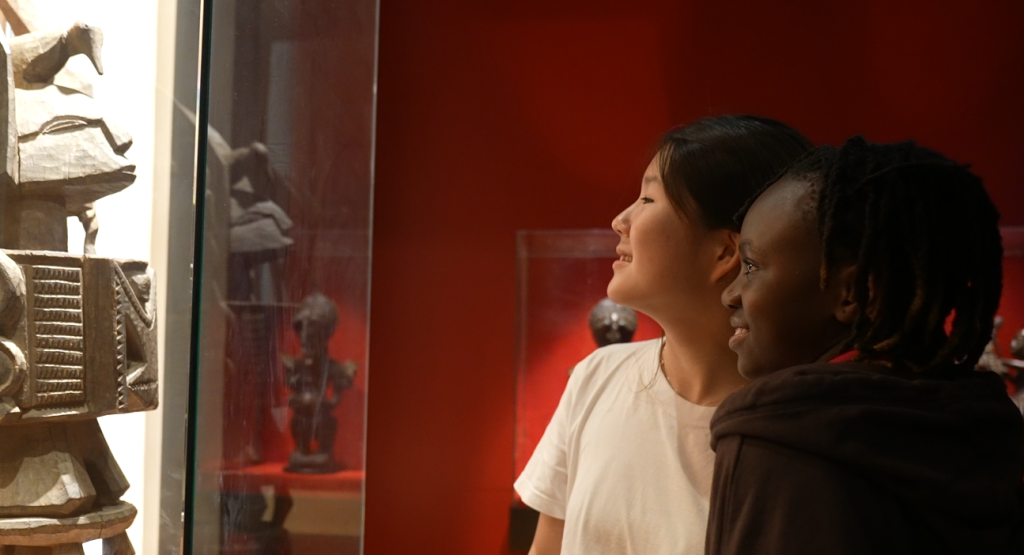
The Arte Museum visit revealed another dimension of cultural exchange. The immersive digital art installations created a shared sensory experience that transcended language barriers. Both students were fascinated by how technology could create emotional responses and artistic expression.
At the Jeju Aerospace Museum, their curiosity about flight and space exploration opened discussions about dreams, aspirations, and the role of education in achieving seemingly impossible goals. These conversations would later influence my understanding of how sports psychology principles apply to achieving any ambitious objective.
Natural Wonders and Physical Challenges
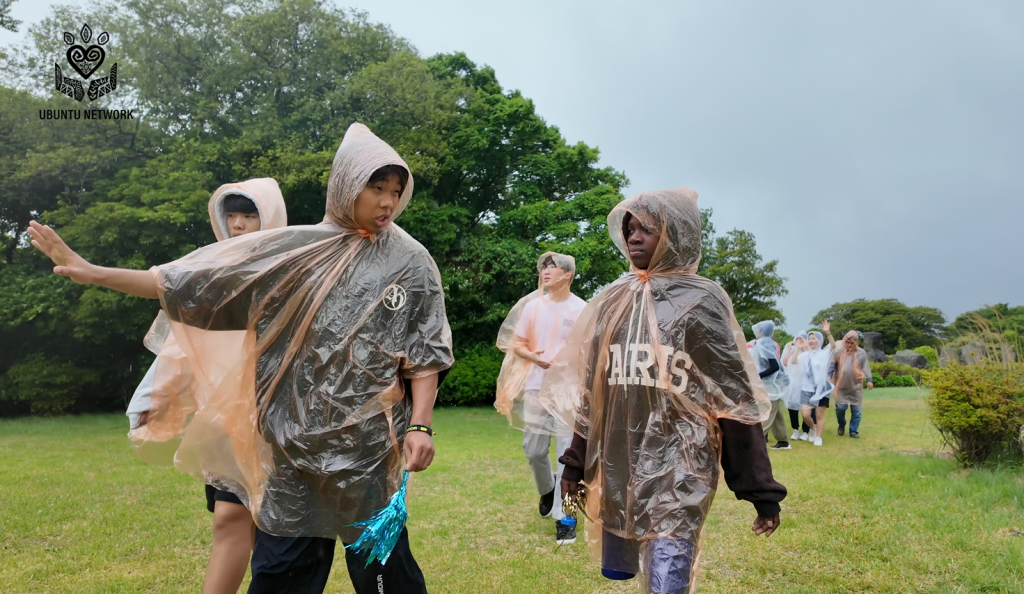
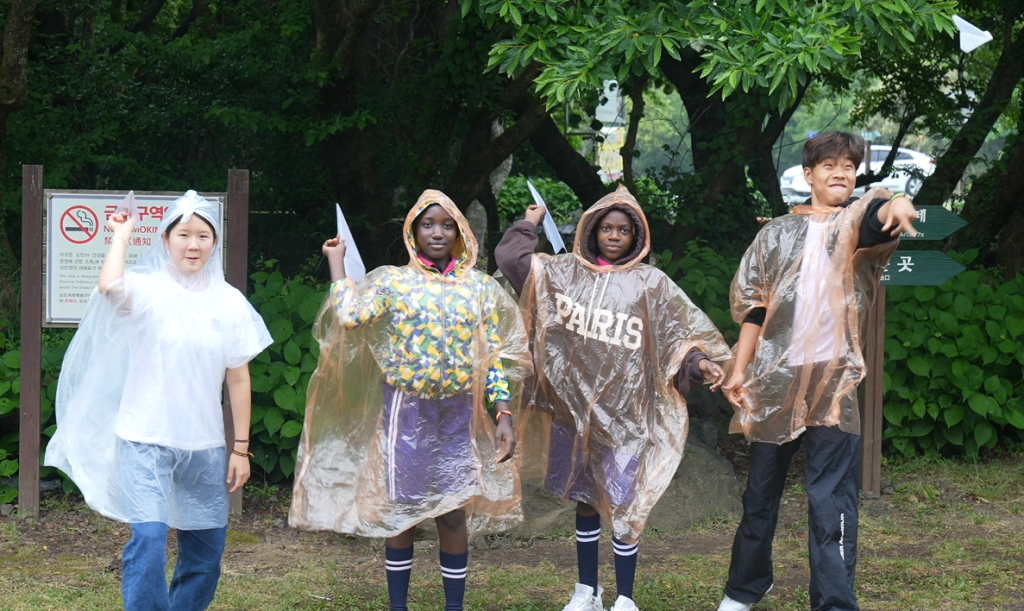
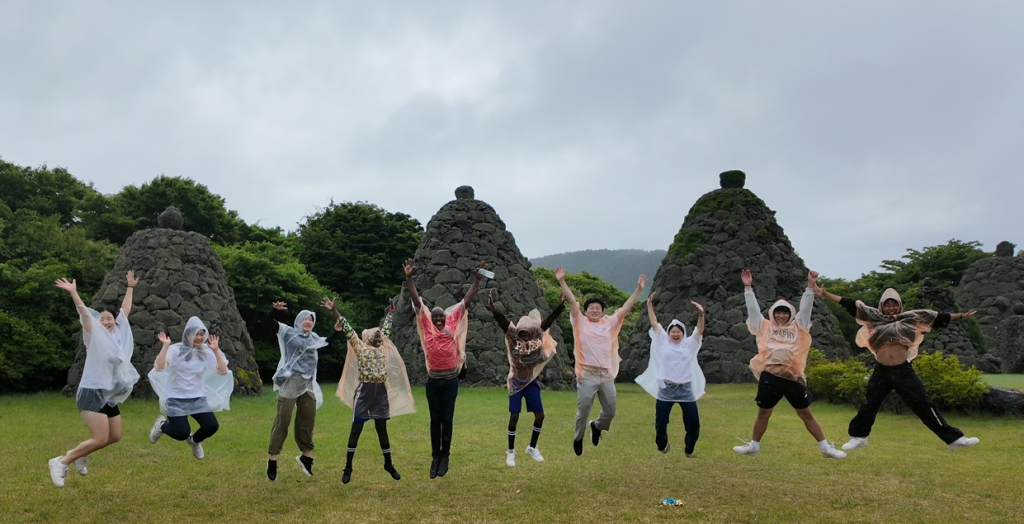
Our hike up Saebyeol Oreum provided a perfect opportunity to observe different approaches to physical challenges. The volcanic terrain was unlike anything REHEMA and GRACIOUS had experienced, yet they adapted their hiking techniques with impressive resourcefulness.
This experience reinforced my growing understanding of how individuals respond differently to physical challenges based on their background, experience, and natural tendencies—insights that would prove valuable in my later work with diverse athletic populations.
Swimming Lessons: Building Confidence in the Water
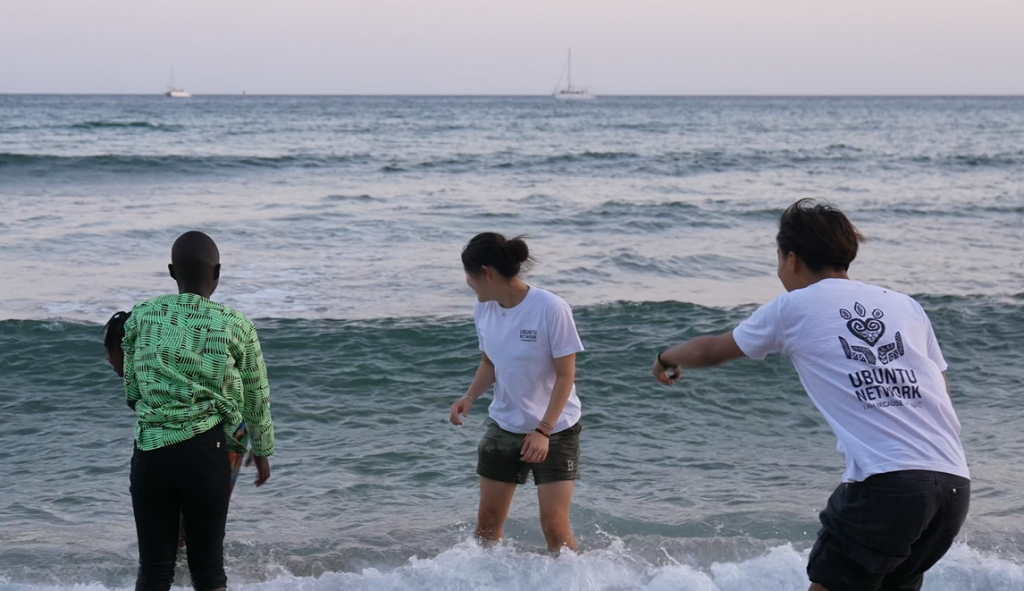
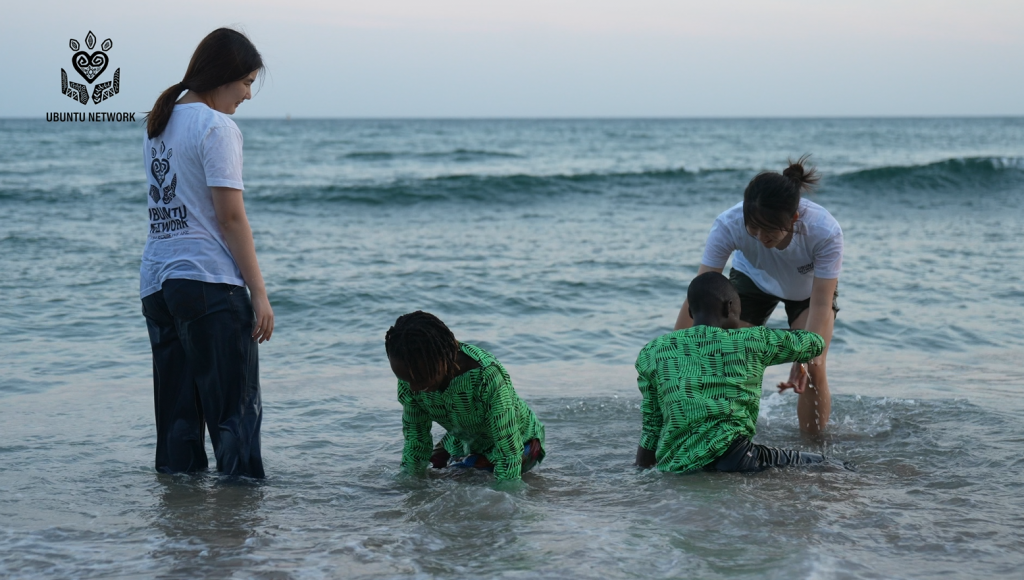
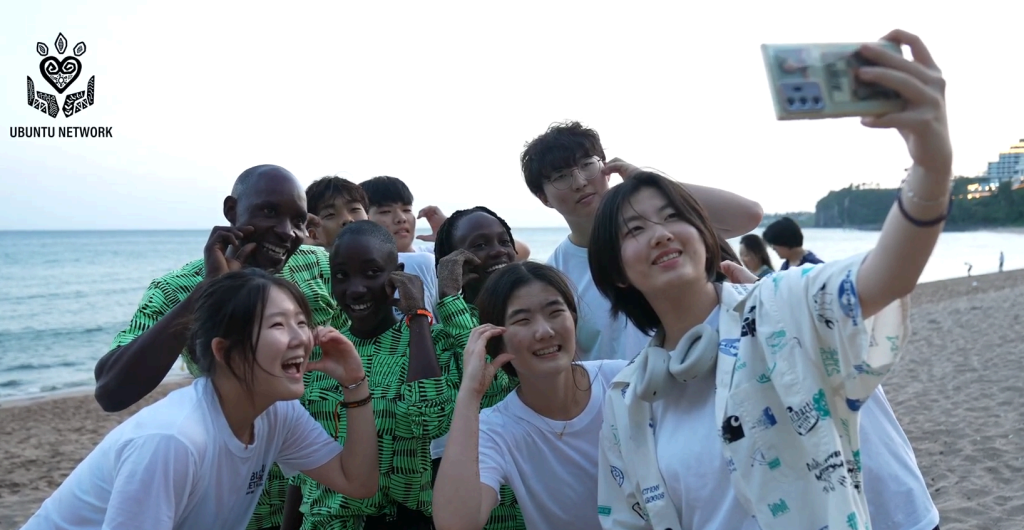
Teaching swimming at Hyeopjae Beach became one of our most meaningful shared experiences. The transition from pool to ocean swimming required different techniques and confidence levels. I focused on building their comfort with saltwater, understanding currents, and most importantly, developing trust in their own abilities.
REHEMA approached ocean swimming with the same analytical mindset she brought to pool work, carefully observing wave patterns and adjusting her technique accordingly. GRACIOUS embraced the ocean’s unpredictability, learning to work with the waves rather than against them.
These individual learning styles taught me valuable lessons about adaptive instruction and the importance of recognizing different pathways to the same goal—principles that would later inform my approach to sports psychology.
Educational Exchange: Learning Systems in Action
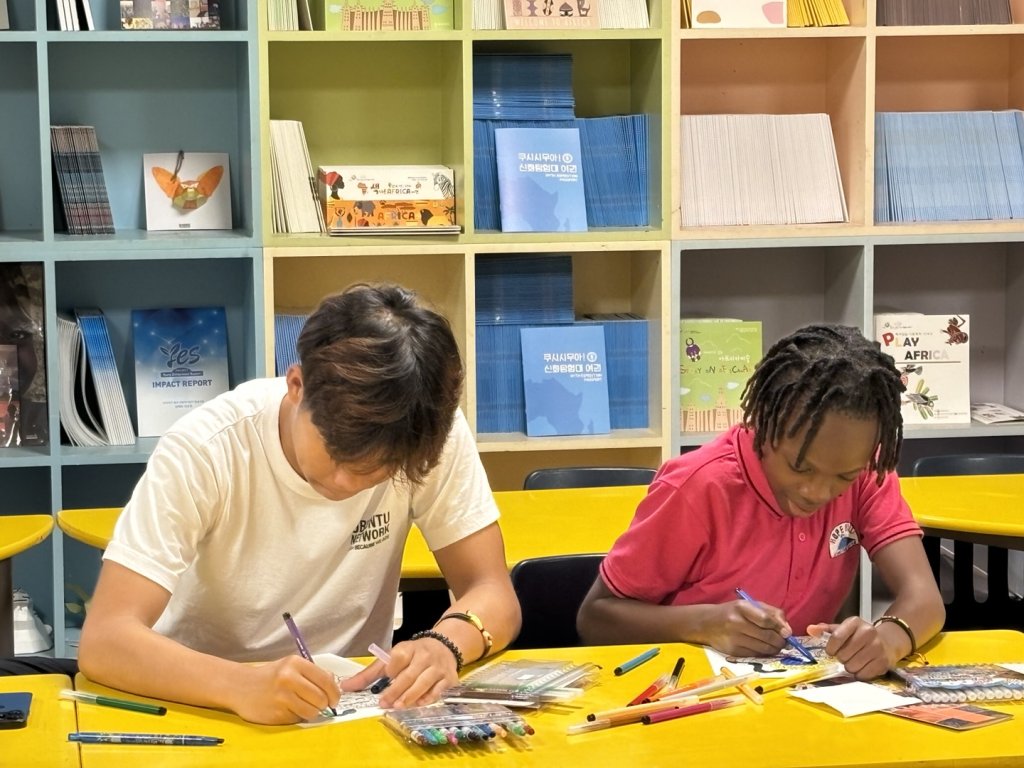
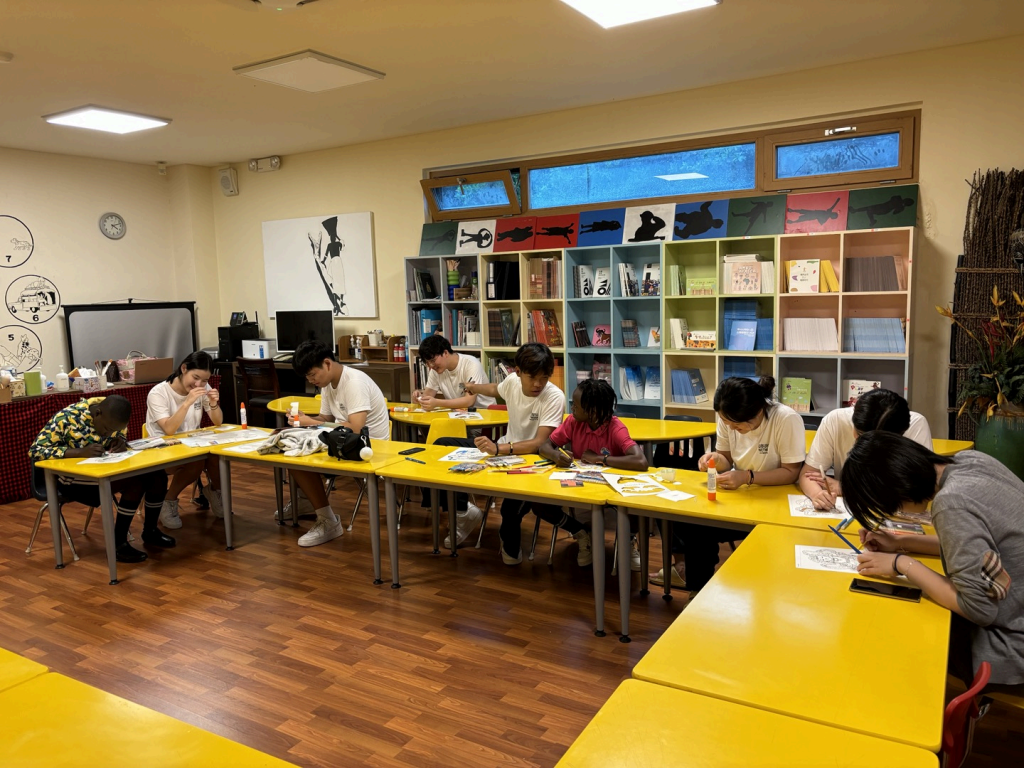
The classroom observations and participation sessions provided insights into different educational philosophies and methods. REHEMA and GRACIOUS brought unique perspectives to discussions, often asking questions that challenged assumptions and sparked deeper thinking among Korean students.
Their participation in our PE classes was particularly illuminating. They introduced traditional Ugandan games that required different skill sets and strategic thinking, while enthusiastically learning Korean sports and activities. This bidirectional teaching created an environment where everyone was simultaneously student and teacher.
Reflections on Shared Humanity
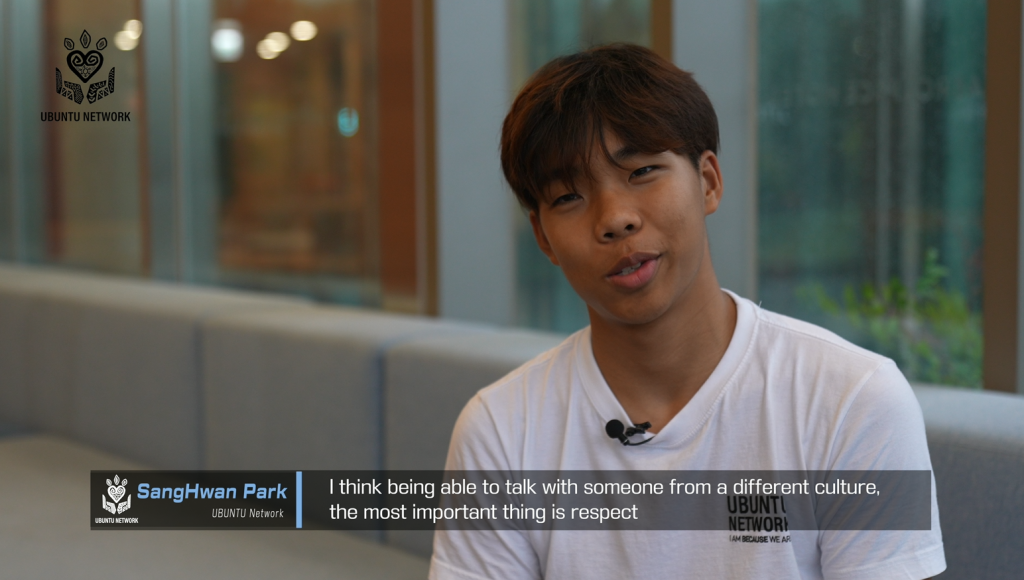
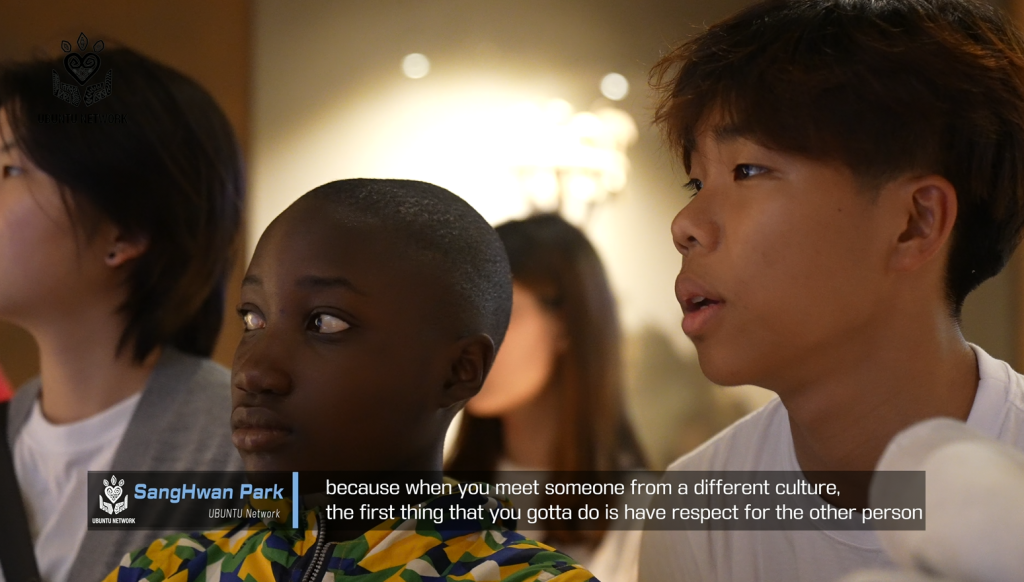
As the two weeks drew to a close, our farewell gathering became a celebration of connections formed through shared physical experiences and cultural exchange. The bonds created through swimming lessons, hiking adventures, and sports activities had transcended initial language barriers and cultural differences.
Both REHEMA and GRACIOUS expressed how the experience had expanded their understanding of education, community, and possibility. But their impact on us was equally profound. They challenged our assumptions about learning, adaptation, and resilience while demonstrating that curiosity and openness are universal languages.
Lessons for Future Sports Psychology Work
This cultural exchange reinforced several key insights that would guide my future work in sports psychology:
Individual Learning Styles: People approach physical challenges differently based on personality, background, and natural tendencies. Effective instruction requires recognizing and adapting to these differences.
Cultural Sensitivity in Sports: Athletic activities must be presented in ways that respect cultural values and previous experiences while remaining accessible and engaging.
Universal Nature of Play: Despite cultural differences, the human drive to play, compete, and improve is remarkably consistent across backgrounds.
Trust and Relationship Building: Effective sports instruction requires establishing trust and psychological safety before focusing on technical improvements.
The Ripple Effect
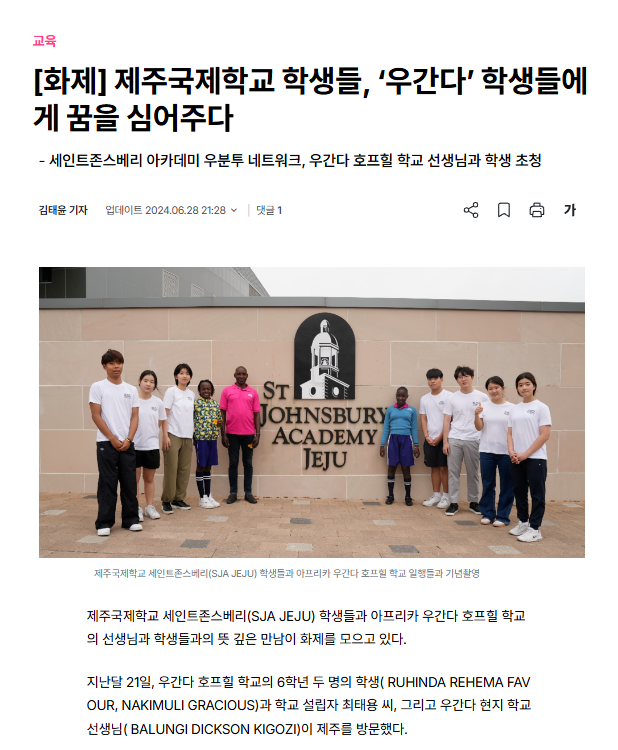
The exchange program garnered significant attention from local media, with Jeju Ilbo featuring our story and highlighting the power of educational partnerships. This coverage helped raise awareness about the Ubuntu Network’s work and the importance of international educational exchange.
More importantly, the program inspired other students at St. Johnsbury Academy to become more engaged in global citizenship activities. Several classmates expressed interest in participating in future exchange programs or supporting international education initiatives.
Looking Forward: Building Bridges Through Sports
As REHEMA and GRACIOUS departed Jeju, they carried with them new swimming skills, broader cultural perspectives, and strengthened confidence in their ability to adapt and thrive in unfamiliar environments. But they also left us with deeper insights into the power of sports and physical activities as tools for building understanding across cultures.
This experience marked a crucial evolution in my understanding of sports psychology—moving beyond individual performance optimization to recognize athletics as a vehicle for community building, cultural exchange, and personal growth.
The pool where I taught them to swim had become more than just a training facility; it was a space where barriers dissolved, friendships formed, and possibilities expanded. These lessons would prove invaluable as I continued to explore how sports psychology could serve broader community and social goals.
Next: Building on these insights, we expand our advocacy work to larger platforms, bringing our message of sports-based cultural exchange to national audiences.
About this series: This post is part of my ongoing documentation of community engagement and sports-based advocacy work. Follow along as we explore the intersection of sports psychology, cultural exchange, and inclusive athletics.
Related Links:


