


Second Time, Deeper Purpose
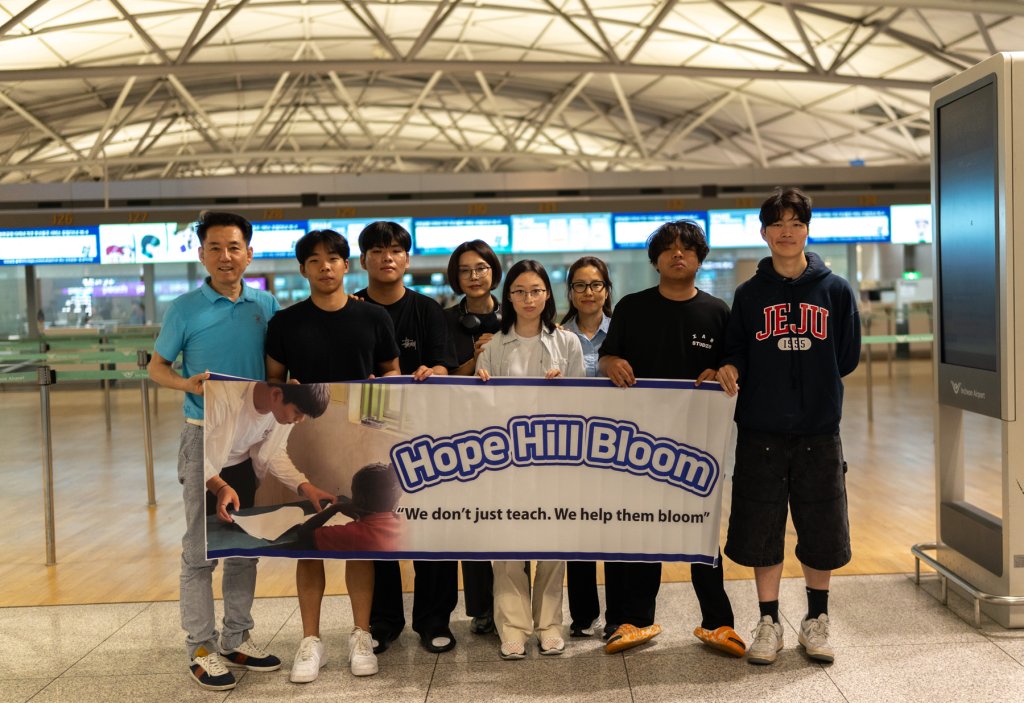
The flight to Uganda felt different this time around. Where our 2024 trip had been filled with nervous excitement and uncertainty, this June 2025 journey carried the weight of experience and the confidence that comes from established relationships. We weren’t visitors anymore—we were returning partners.
The name “HopeHillBloom” felt right for this phase of our work. After planting seeds during Hope Bridge 2024 and nurturing growth through the Jeju cultural exchange, we were ready to see what could truly flourish when partnerships mature beyond initial contact.
Building on Solid Foundations
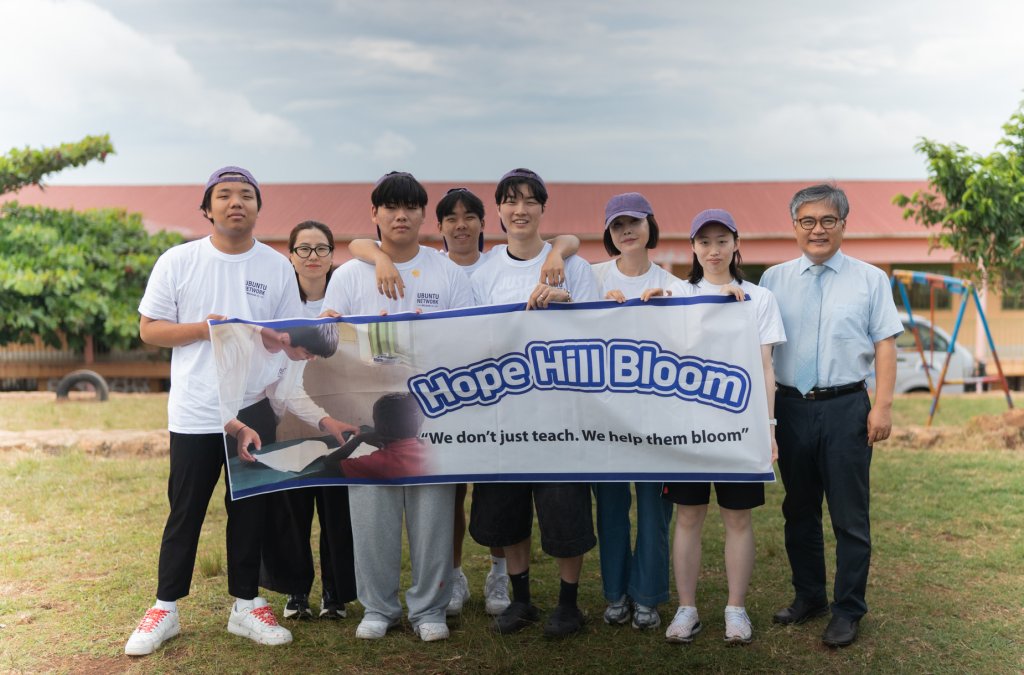
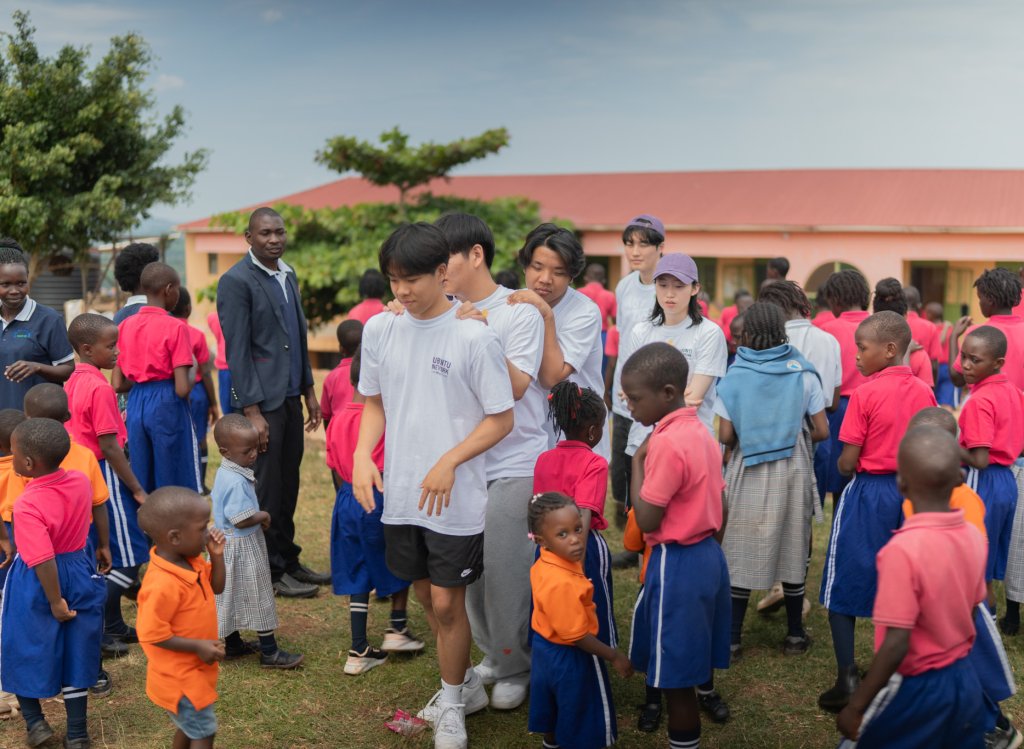
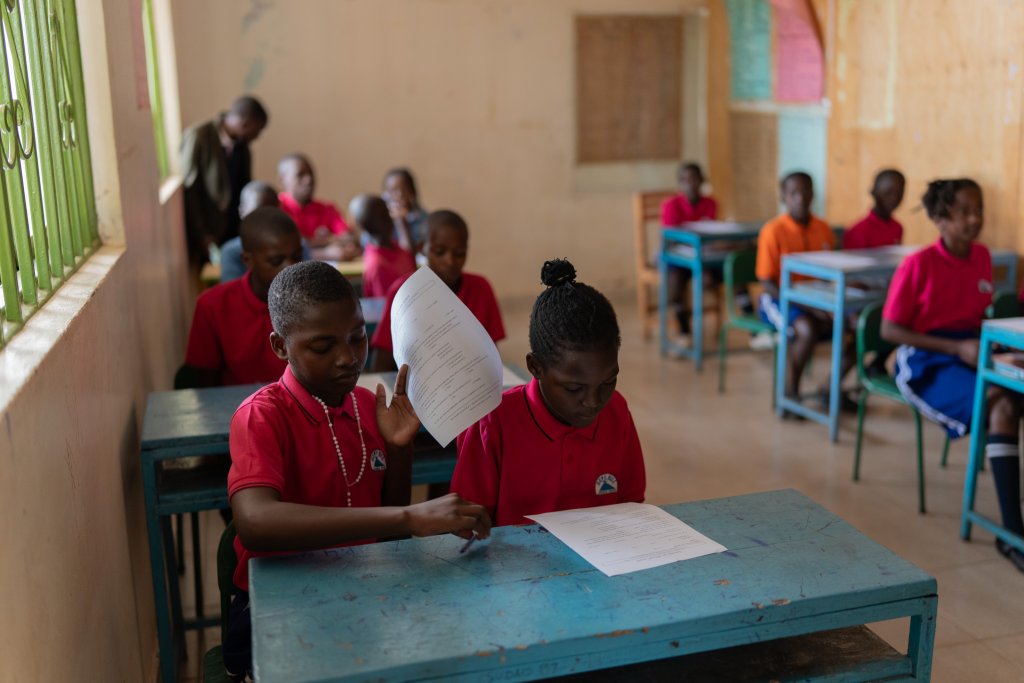
Walking back through the gates of Hope Hill School, I was struck by how much had changed in just over a year. The bus we’d funded was parked outside, showing signs of daily use and care. The scholarship recipients from our first visit greeted us not as strangers bearing gifts, but as friends returning home.
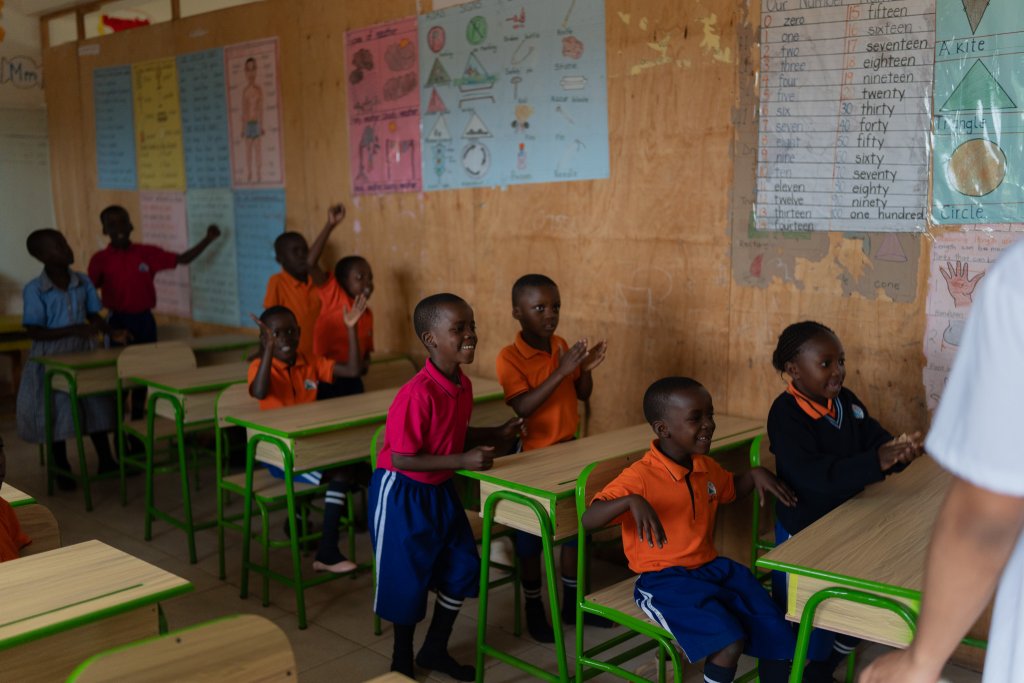
But the biggest change was in the children themselves. The shy hesitation of 2024 had been replaced by confident enthusiasm. They remembered our names, our activities, and most surprisingly, they had been practicing some of the swimming movements I’d taught them in that makeshift pool area.
Systematic Approach to Educational Impact
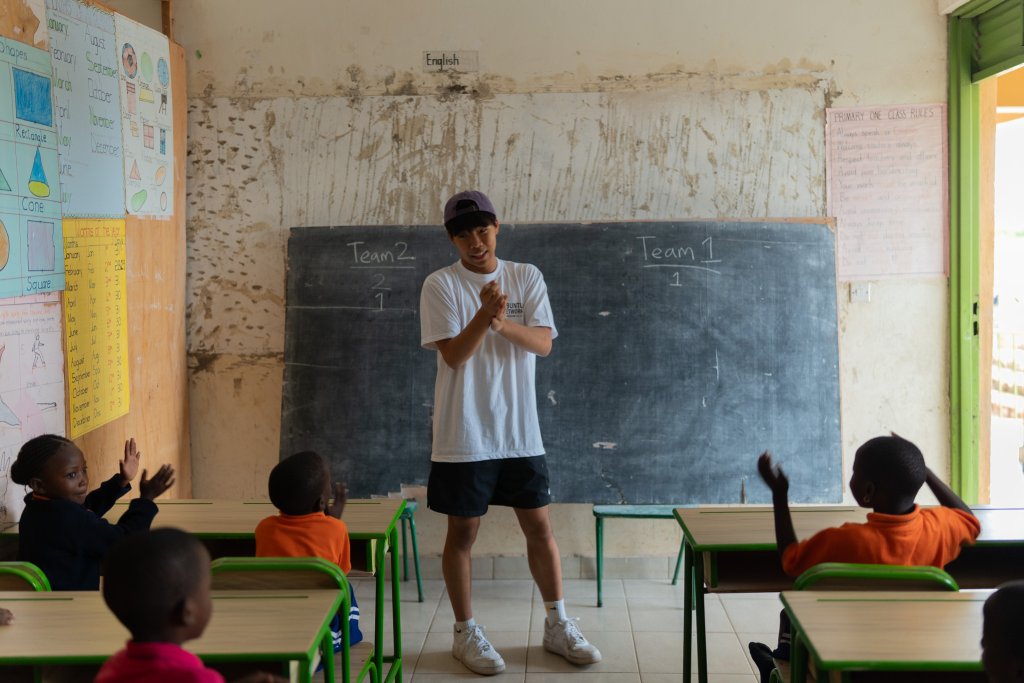
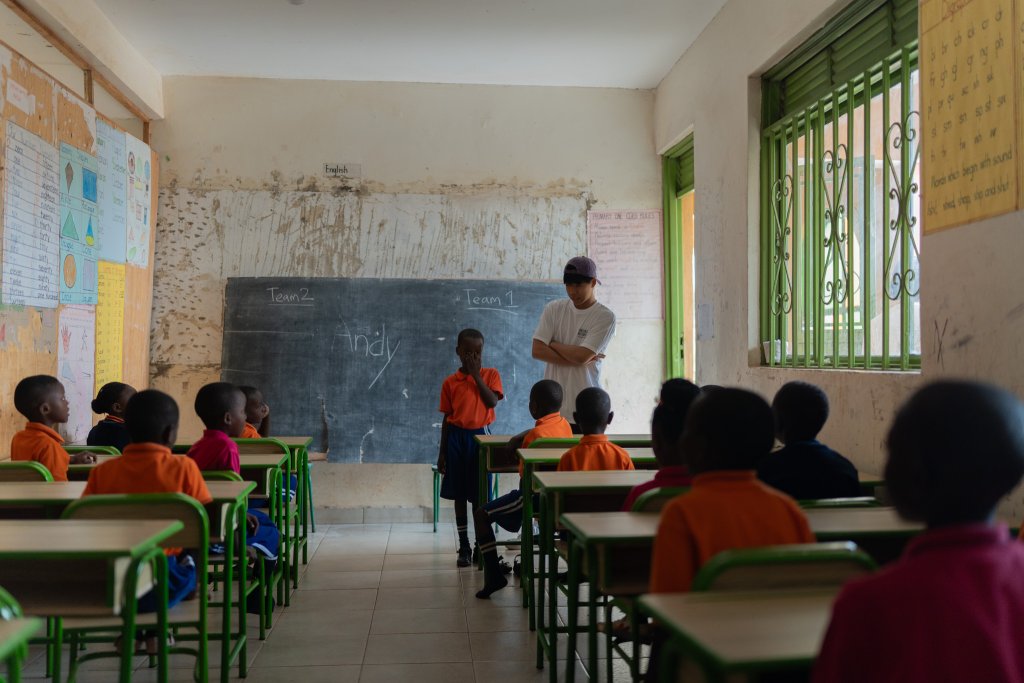
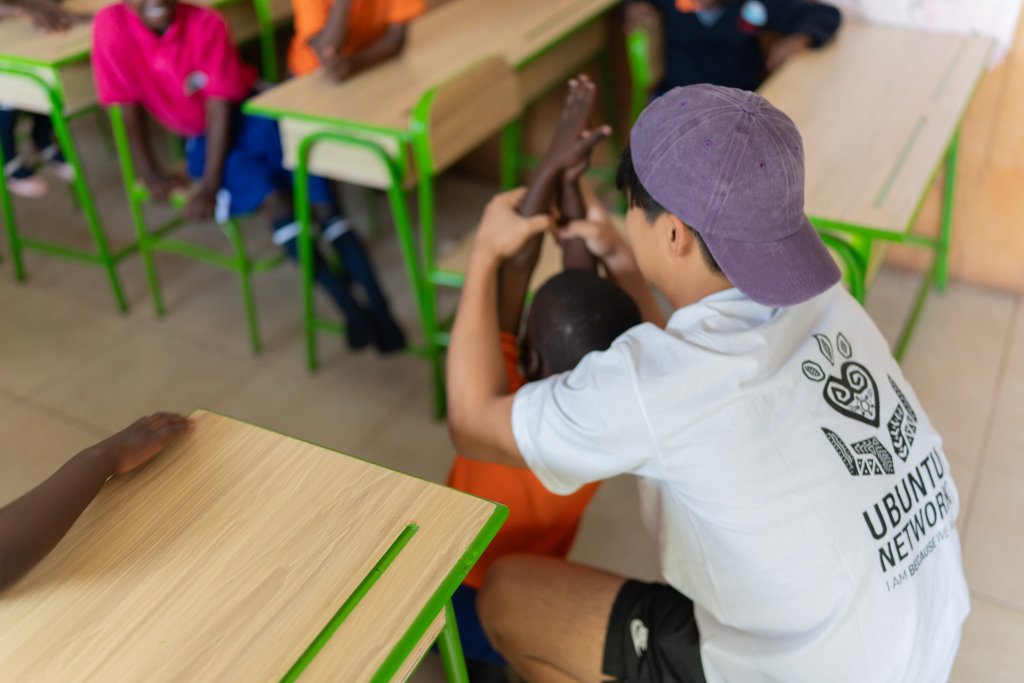
This visit wasn’t about recreating past successes—it was about building sustainable systems. Our team had spent months developing a more structured approach to educational support, complete with individual student assessments, customized learning plans, and most importantly, a framework for ongoing mentorship beyond our physical presence.
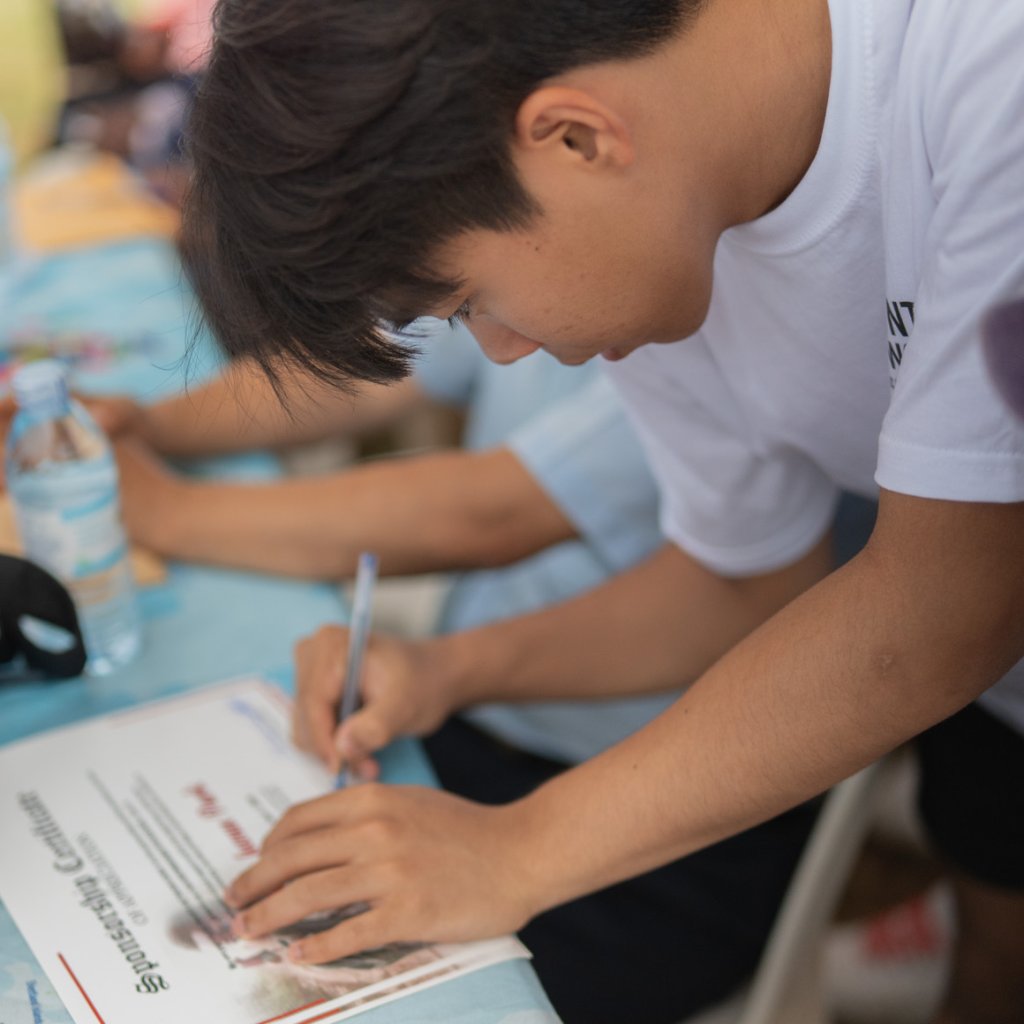
The 1:1 sponsorship program we established connected each of the 80+ students with dedicated supporters from our network in Korea. But this wasn’t just financial support. Each partnership included educational goals, regular communication, and progress tracking that would continue long after we returned to Jeju.
Working with BALUNGI DICKSON KIGOZI and Mr. Choi Taeyong, we developed what we called “learning circles”—small groups of students with complementary strengths who could support each other’s academic and personal development. The idea came from watching how naturally the children had formed these support networks during our sports activities the previous year.
Sports Psychology in Practice
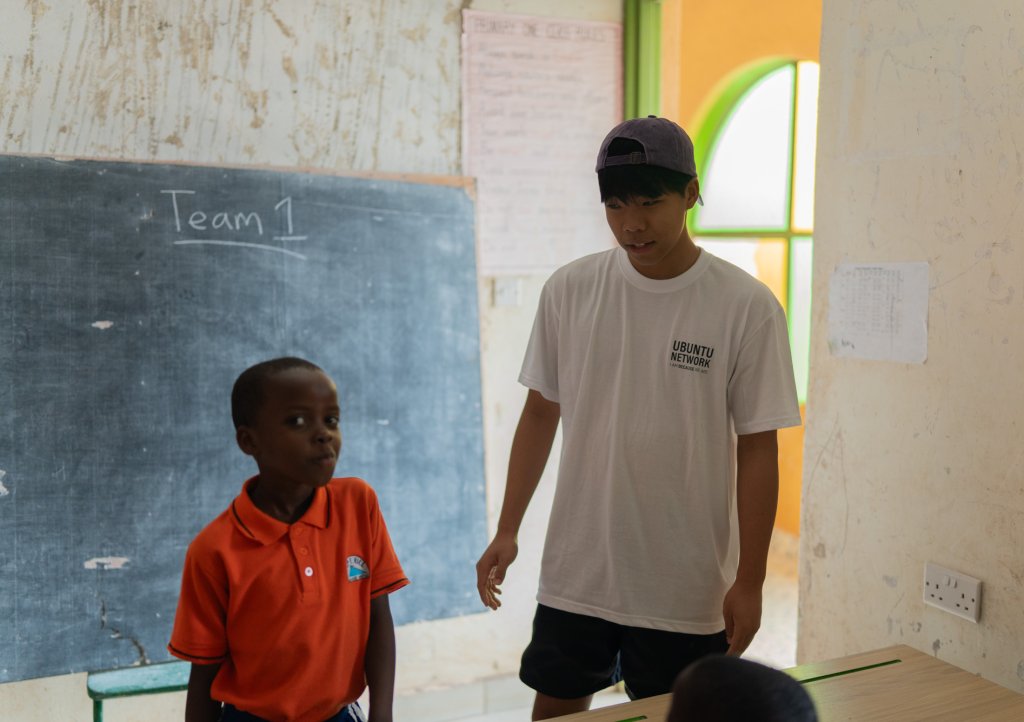
My role had evolved significantly since 2024. Where I’d previously been figuring out how to integrate physical activity with education, I now came with a clearer understanding of sports psychology principles and how they could benefit this community.
The sports programming we developed wasn’t just about physical fitness or competition. We focused on building what I’d started to understand as “adaptive resilience”—the ability to find creative solutions when facing obstacles, whether in sports, academics, or life.
One moment stands out particularly clearly. During a modified soccer game, I watched a student with a leg mobility challenge naturally become the team’s strategic coordinator, calling plays and managing substitutions. Nobody had assigned this role—it emerged organically when we created space for different types of contribution.
That’s when I realized something important about sports psychology: it’s not about fixing limitations, it’s about creating environments where different strengths can shine.
Dreams Take Flight: The 2025 Hope Hill Sports Festival
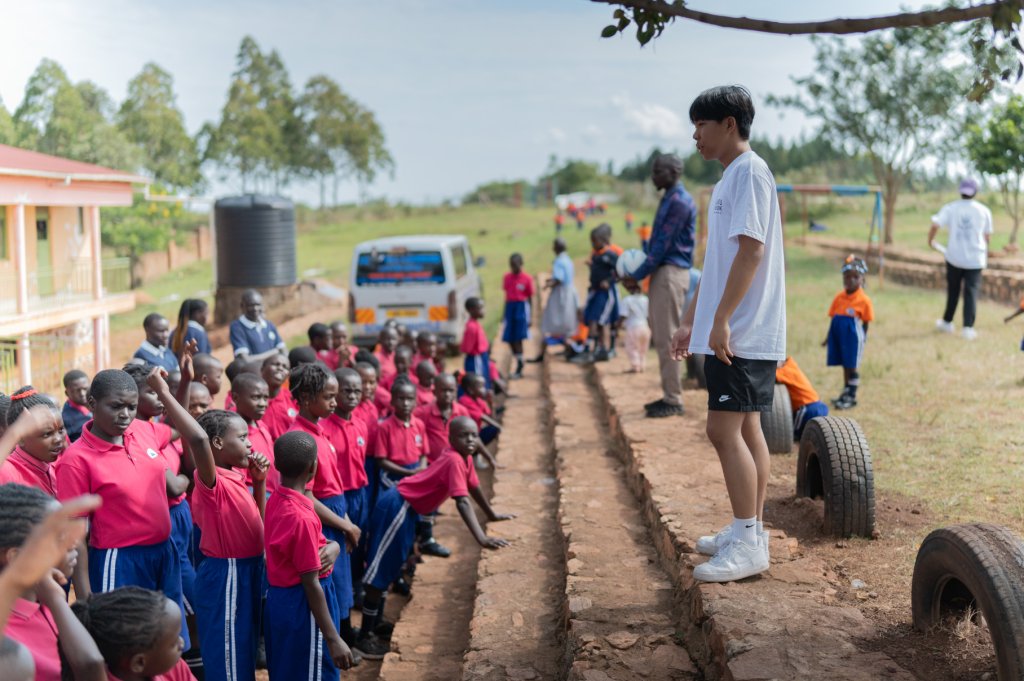
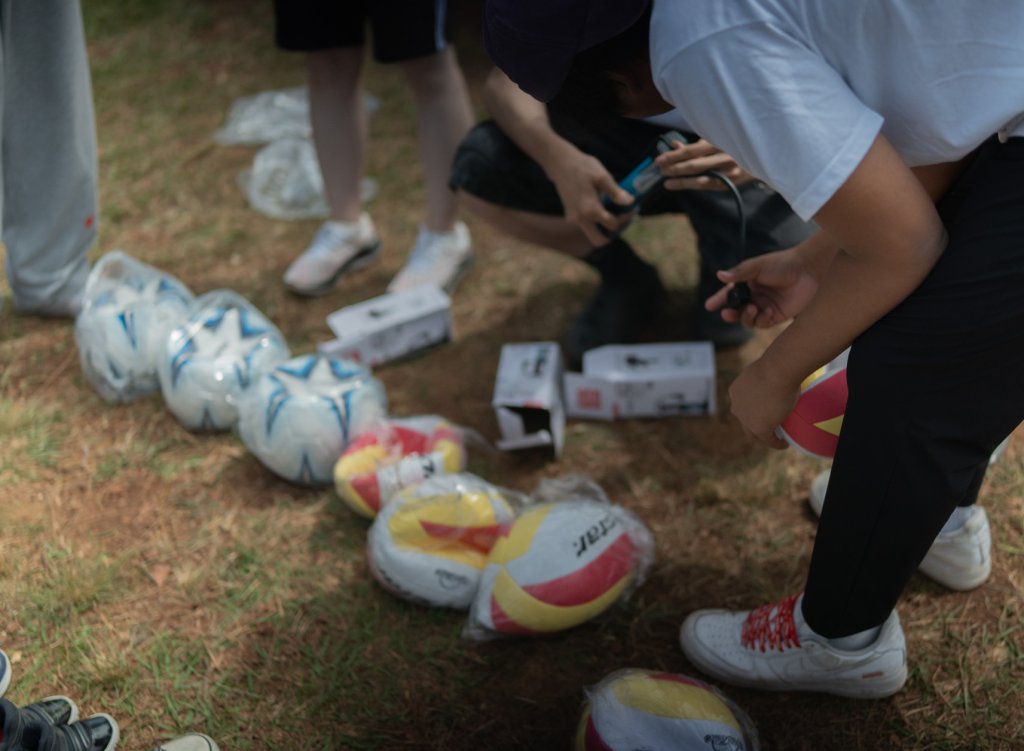
The centerpiece of our 2025 visit was organizing Hope Hill’s first-ever comprehensive sports festival. Drawing from my experience as swim team captain at St. Johnsbury and insights gained from sports psychology research, I wanted to create an event that celebrated every student’s unique abilities while fostering community spirit.
Planning the festival required months of coordination between our team in Jeju and the Hope Hill staff. We designed events that ranged from traditional athletic competitions to adaptive challenges that ensured every student could participate meaningfully, regardless of physical ability.
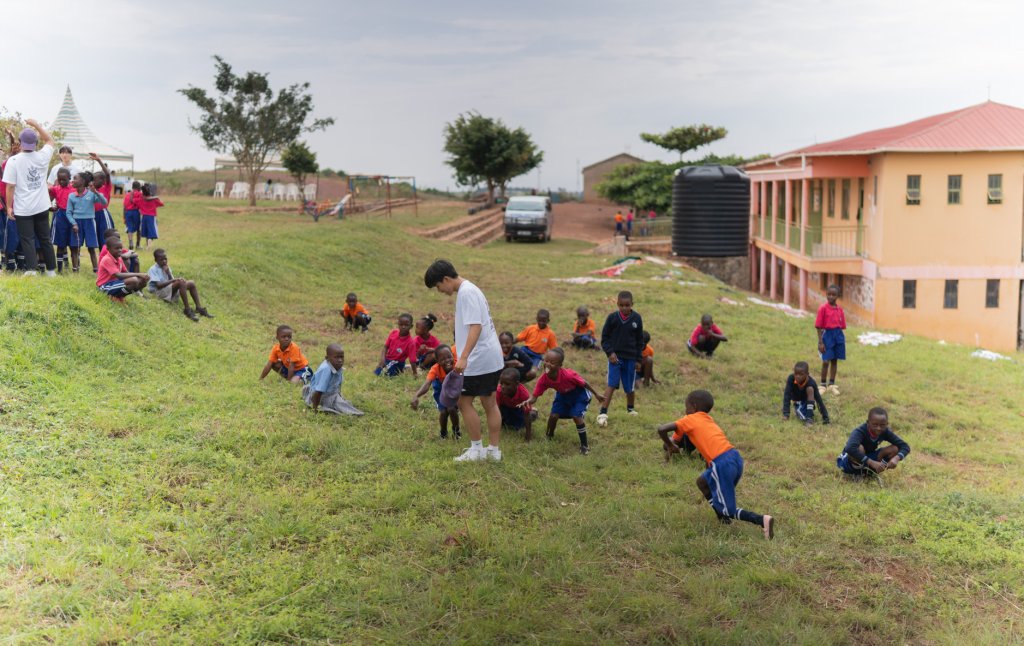
The day of the festival was electric with excitement. Students competed in relay races, obstacle courses, swimming demonstrations, and team-building challenges. But the most powerful moment came during the “Unity Relay,” where teams were deliberately mixed by age and ability, requiring strategic collaboration rather than just speed or strength.
Watching younger students cheer for older teammates, seeing students with mobility challenges become team strategists, and observing naturally emerging leadership among shy students—these moments crystallized everything I’d been learning about inclusive sports programming.
From Jeju to Hope Hill: The Shoes Campaign Delivers
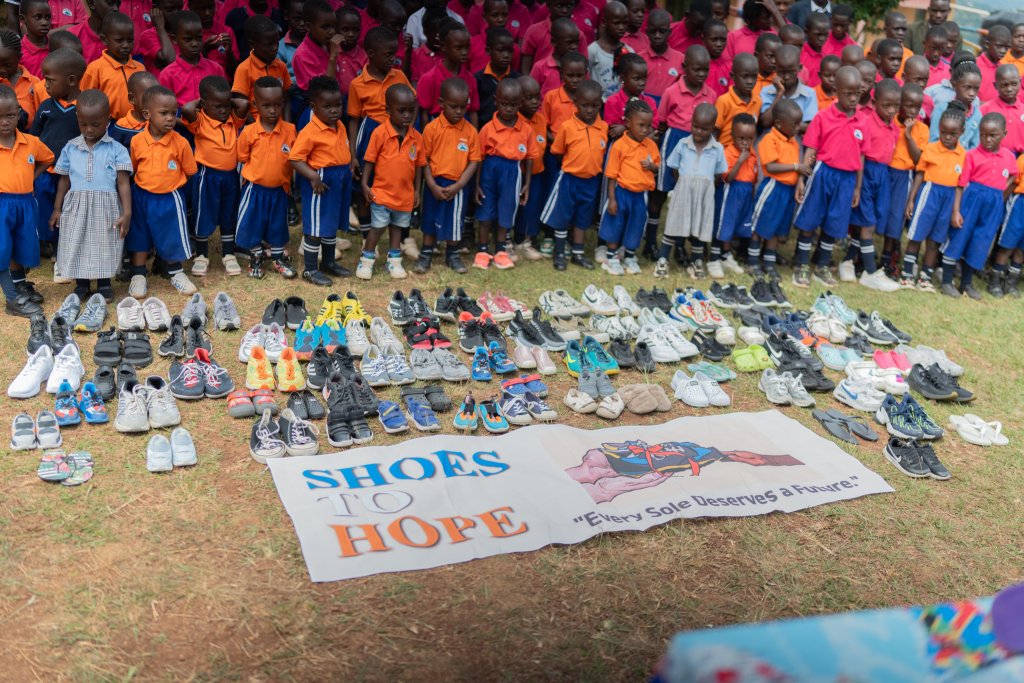
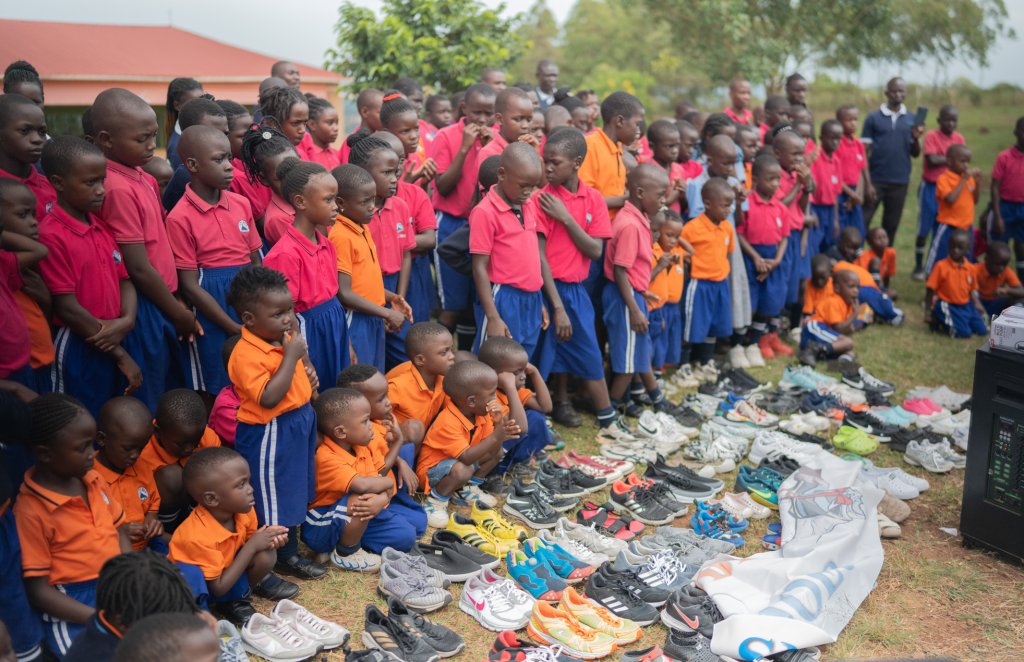
One of the most meaningful moments of our visit was finally delivering the fruits of our year-long “Shoes To Hope” campaign. Over six months, our Ubuntu Network had collected 200 pairs of quality shoes from the Jeju community—each pair carefully cleaned, sorted by size, and packaged with care.
The shoe distribution wasn’t just about meeting a practical need, though that was certainly important. Many of the children at Hope Hill had been wearing worn-out or ill-fitting shoes that made participating in physical activities difficult or even painful.
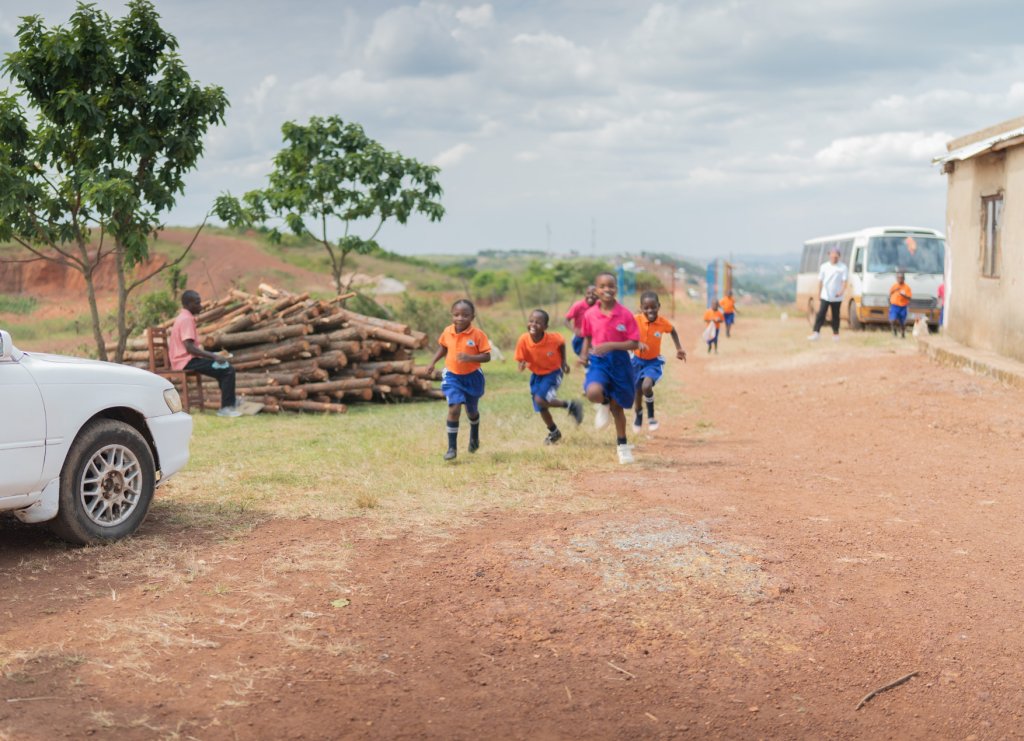
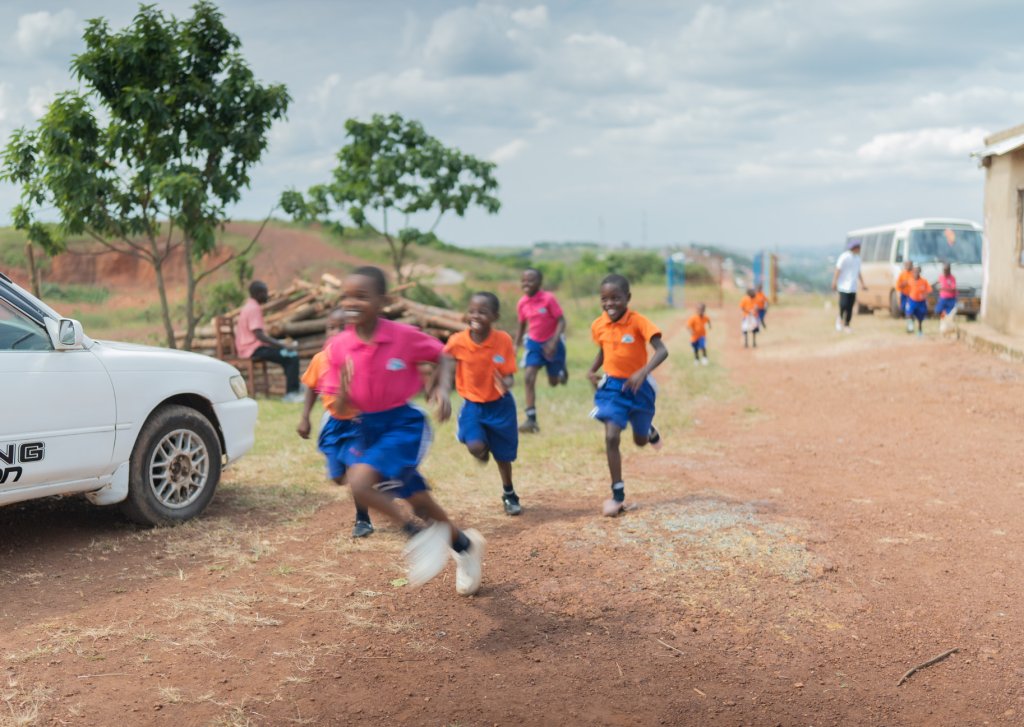
But watching children try on their new shoes and immediately want to run, jump, and play revealed something deeper. Proper footwear isn’t just about protection—it’s about possibility. When your feet are comfortable and supported, you move with more confidence. When you’re not worried about your shoes falling apart, you can focus on the joy of movement itself.
The timing was perfect, coinciding with our sports festival. Students wore their new shoes during the competitions, and the practical impact was immediately visible. Better traction meant safer participation in running events. Proper support meant less fatigue during longer activities. Comfortable feet meant more focus on teamwork and strategy rather than physical discomfort.
Individual Stories, Collective Growth
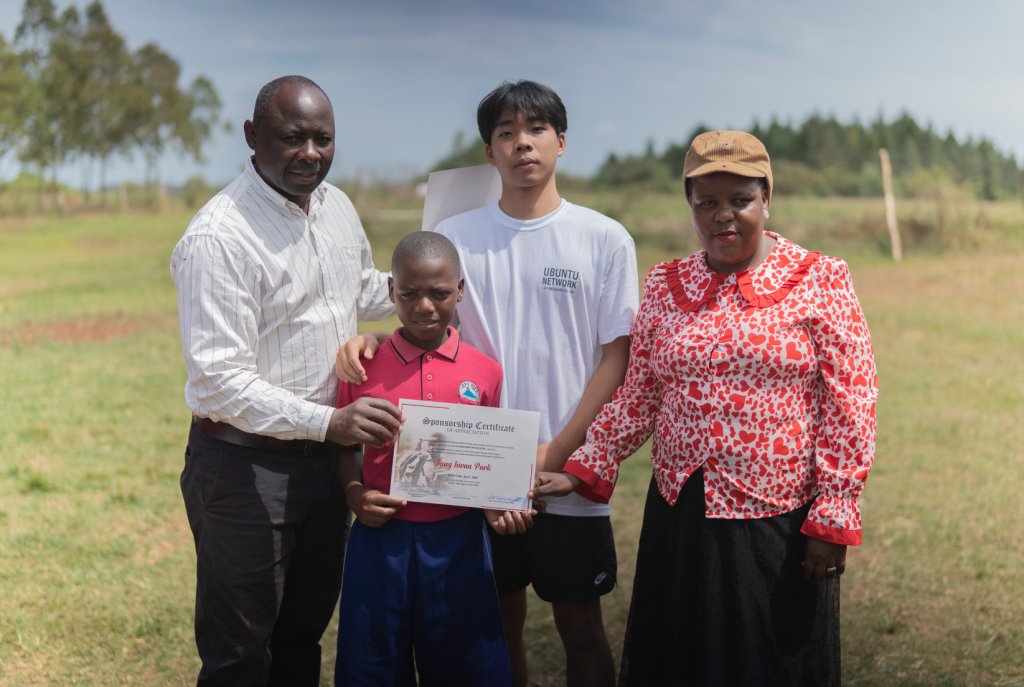
The scholarship recipients from our 2024 program had flourished in ways that went beyond academic performance. NAKIMULI GRACIOUS, who had visited Jeju the previous year, had become a peer mentor for younger students. Her confidence in the water had translated into leadership in other areas, and she was helping organize the school’s first student government.
RUHINDA REHEMA FAVOUR, our other Jeju visitor, had developed a particular interest in teaching methods. She’d been working with younger children, using some of the kinesthetic learning approaches she’d observed during her time in Korea. Watching her adapt and apply these techniques in her own cultural context was remarkable.
During the sports festival, both girls emerged as natural team leaders, drawing on their expanded experiences to help younger students navigate challenges. Gracious coordinated the swimming demonstrations, sharing techniques she’d refined during her Jeju visit. Rehema led the team-building exercises, incorporating communication skills she’d developed through our cultural exchange program.
But it wasn’t just the scholarship recipients who had grown. The broader student body showed increased engagement, better collaborative skills, and what teachers described as improved problem-solving abilities. The sports-integrated learning approaches we’d introduced had been adopted into the regular curriculum.
The new shoes added another dimension to this growth. Students who had previously been hesitant to participate in physical activities due to inadequate footwear became active participants. The psychological impact was as significant as the practical one—feeling equipped and prepared boosted confidence across all areas of school life.
Sustainable Systems Over Short-term Impact
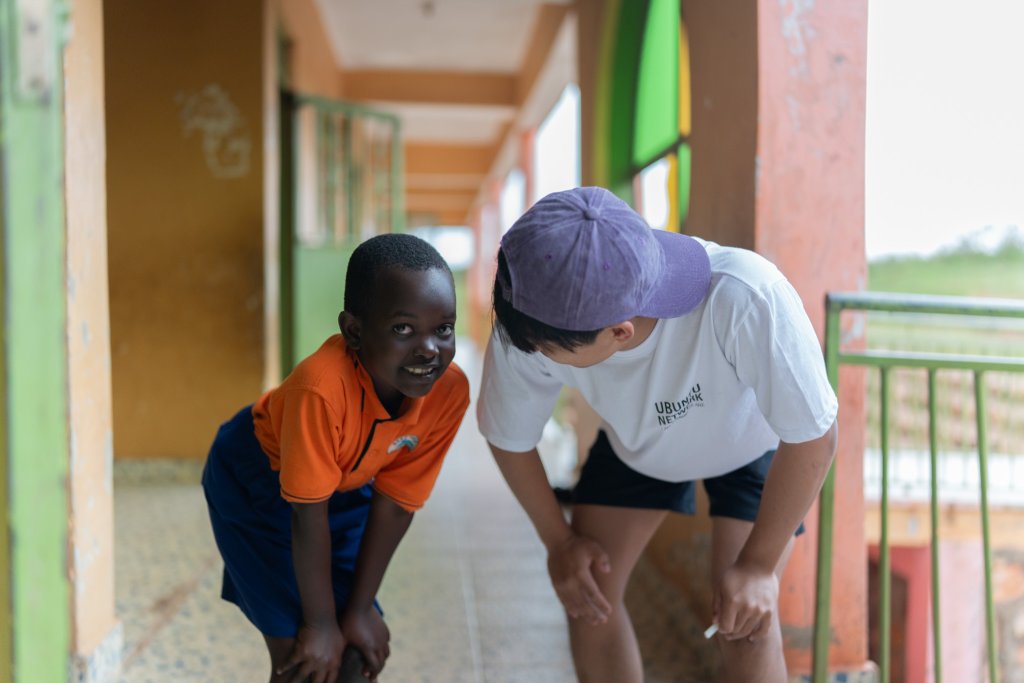
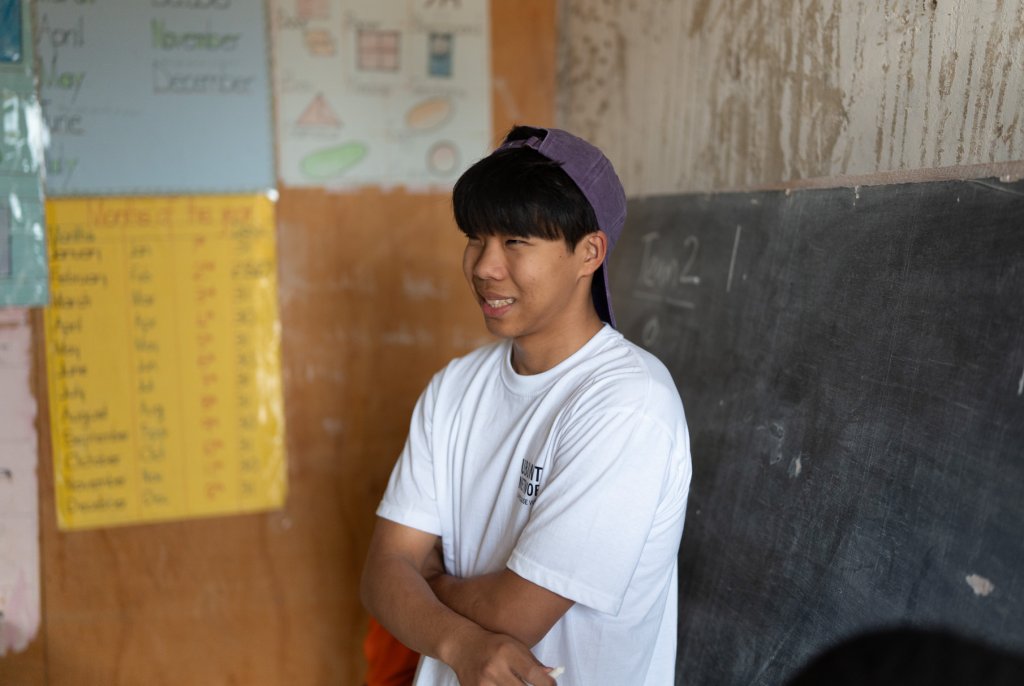
Rather than just delivering another round of activities, we focused this visit on knowledge transfer. Our team spent significant time training local teachers in the educational approaches we’d developed, ensuring that the integration of physical activity with academic learning could continue and evolve after our departure.
The workshop sessions with BALUNGI DICKSON KIGOZI were particularly valuable. His deep understanding of local culture combined with our sports psychology insights created something neither of us could have developed alone. He helped us understand how competitive frameworks could be adapted to emphasize community success over individual achievement, aligning with traditional Ugandan values.
We also established what we called “peer coaching” systems, where students with different strengths—academic, athletic, creative, or social—were paired to support each other’s development. This approach recognized that everyone has something valuable to contribute and something important to learn.
Research Questions Emerging
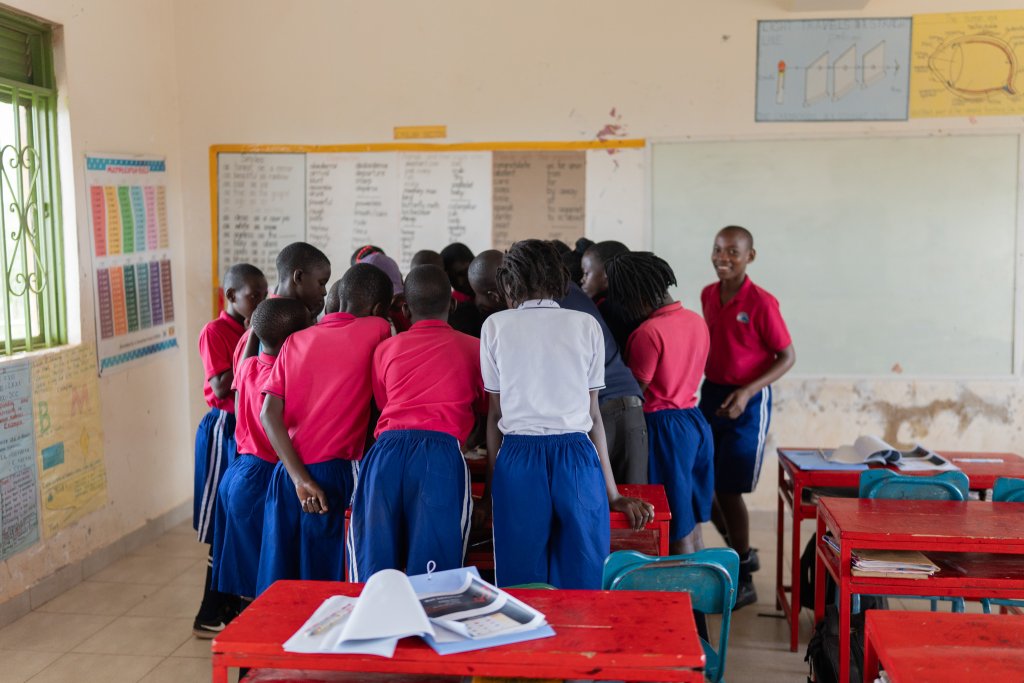
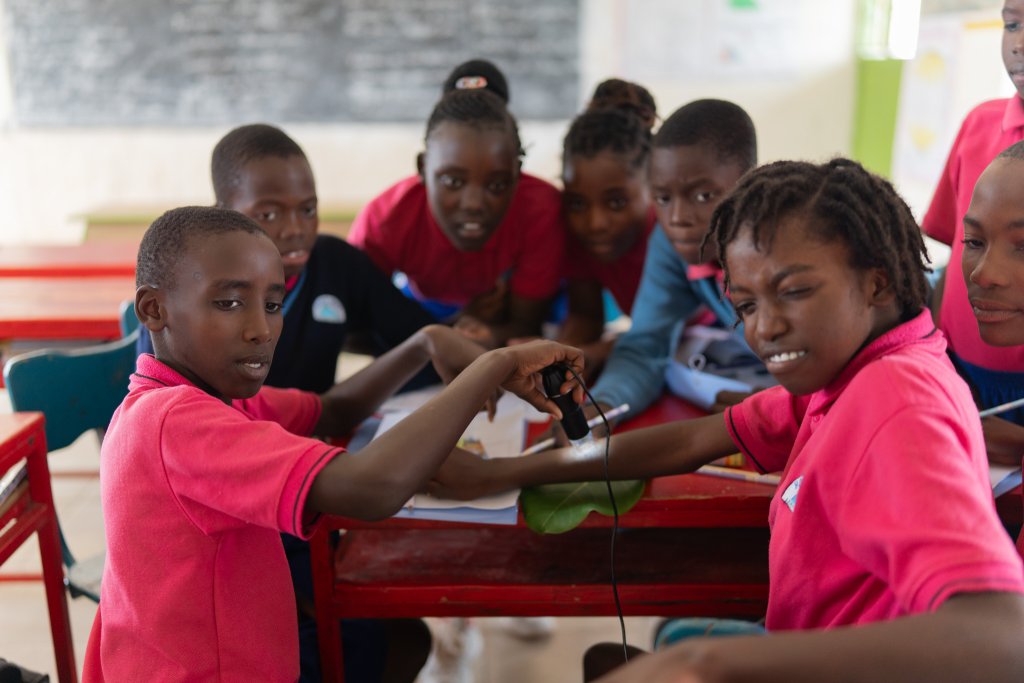
This deepened engagement was raising questions that I knew would shape my future research interests. How do sports-based interventions create lasting psychological changes? What role does cultural context play in the effectiveness of different motivational approaches? How can we measure the impact of inclusive sports programming on community development?
I found myself naturally documenting patterns and outcomes, not for any formal research project, but because the connections between physical activity, psychological development, and community building were becoming impossible to ignore.
The children’s responses to challenges—both physical and academic—showed remarkable consistency with principles I’d been reading about in sports psychology literature. But seeing these principles work in practice, across cultural contexts and resource constraints, was providing insights that no textbook could offer.
The sports festival had provided particularly rich data about group dynamics, individual motivation, and the role of inclusive design in creating positive psychological outcomes for all participants.
Preparing for the Next Phase
As our time at Hope Hill drew to a close, the conversations shifted from “what we accomplished” to “what comes next.” The students themselves were proposing ideas for future activities, taking ownership of their educational journey in ways that hadn’t existed during our first visit.
The sponsorship program was working, but more importantly, it was creating a network of invested stakeholders who cared about these individual children’s success. The regular communication between sponsors and students was building relationships that transcended simple financial support.
We’d also established connections with other educational organizations in Uganda, creating opportunities for Hope Hill students to engage with peers from different backgrounds and learn from diverse approaches to education and community development.
The success of our sports festival had attracted attention from other schools and community organizations. Plans were already underway to expand the model to neighboring communities, creating a network of inclusive athletics programs across the region.
The Interdisciplinary Impact
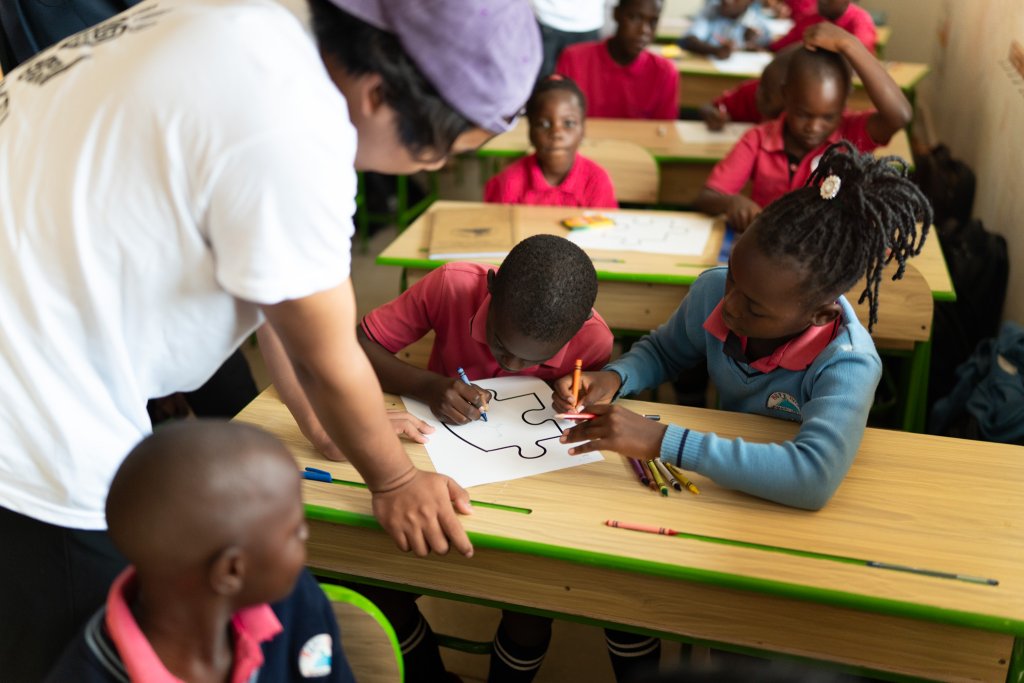
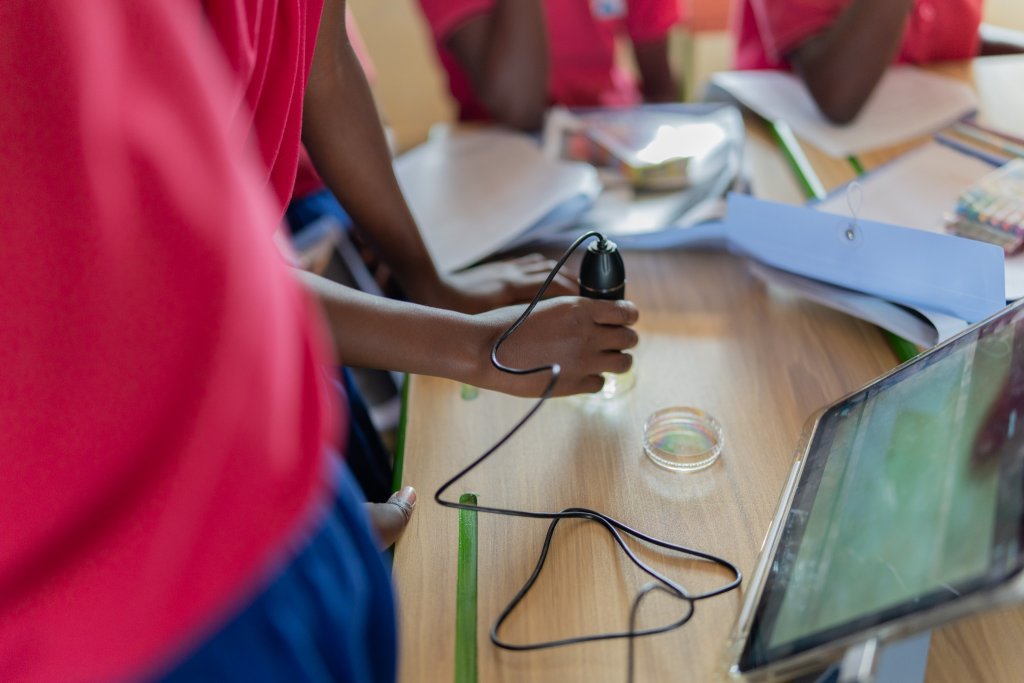
One of the most rewarding aspects of this visit was watching how the different subject areas our team taught began to intersect and reinforce each other. Students were using art techniques to illustrate scientific concepts they’d learned in chemistry class. They were applying teamwork principles from sports activities to collaborative projects in other subjects.
This interdisciplinary approach felt natural and effective in ways that traditional compartmentalized education often doesn’t. The children weren’t just learning chemistry or art or physical education—they were developing a holistic set of skills and perspectives that would serve them across multiple areas of life.
Reflections on Sustainable Partnership
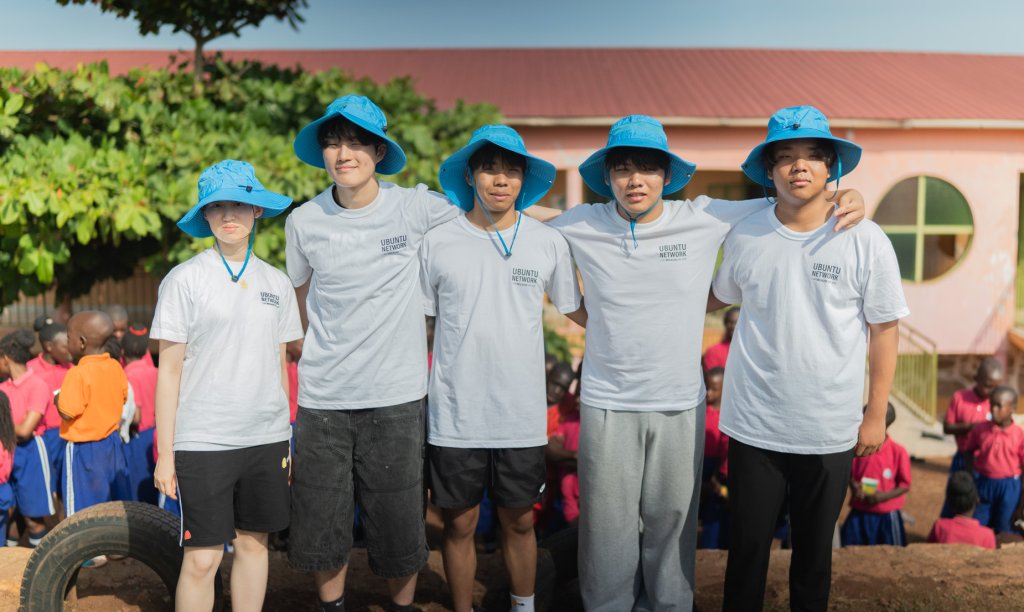
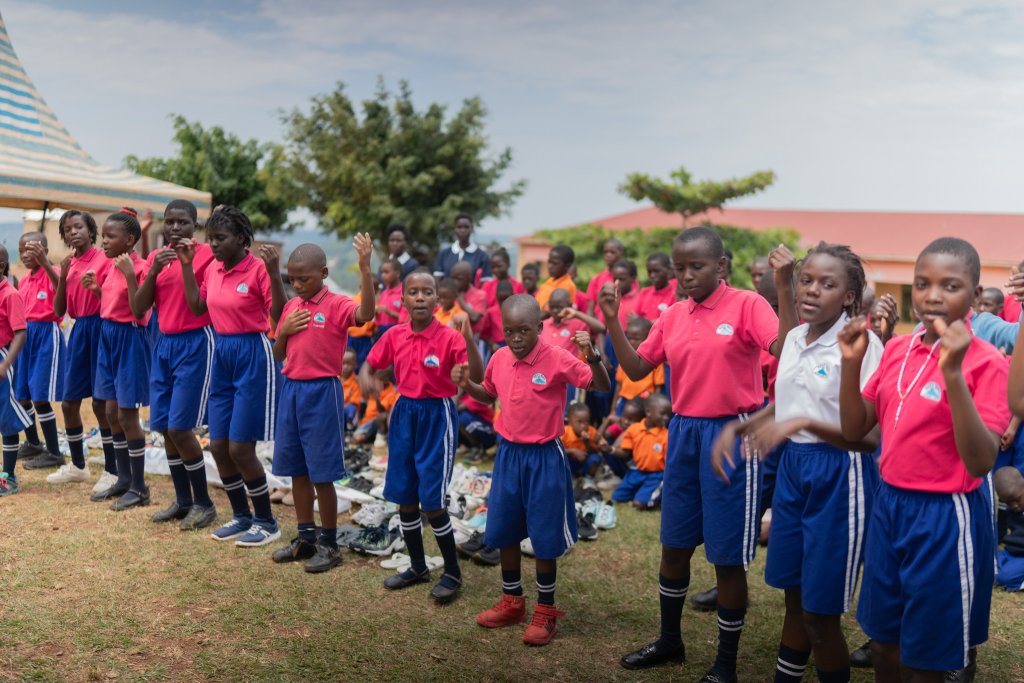
Flying away from Entebbe for the second time felt different than our first departure. There was sadness at leaving, but also confidence that the relationships and systems we’d built would continue growing in our absence.
The Ubuntu philosophy that had inspired our network’s formation—”I am because we are”—had evolved into something more complex and nuanced. We’d learned that true partnership requires not just good intentions, but sustained commitment, cultural humility, and the wisdom to know when to lead and when to follow.
The children of Hope Hill had taught us that resilience isn’t about overcoming obstacles through individual strength—it’s about creating communities where everyone’s unique abilities contribute to collective success. This insight would prove crucial as I continued to explore how sports psychology principles could serve broader community and social goals.
The foundation we’d built—emphasizing inclusive approaches, celebrating diverse strengths, and recognizing the psychological power of physical activity—had prepared me for the next phase of my journey in understanding the intersection of sports, psychology, and human potential.
The image of children running in their new shoes, competing in events designed for their success, and supporting each other through challenges would stay with me as I prepared to meet my next inspiration in the world of Paralympic sports.
Next: Our advocacy work expands to national platforms as we share our experiences and insights with broader audiences, deepening our commitment to sports-based community development.
About this series: This post is part of my ongoing documentation of community engagement and sports-based advocacy work. Follow along as we explore the intersection of sports psychology, cultural exchange, and inclusive athletics.


