


From Local Impact to National Platform
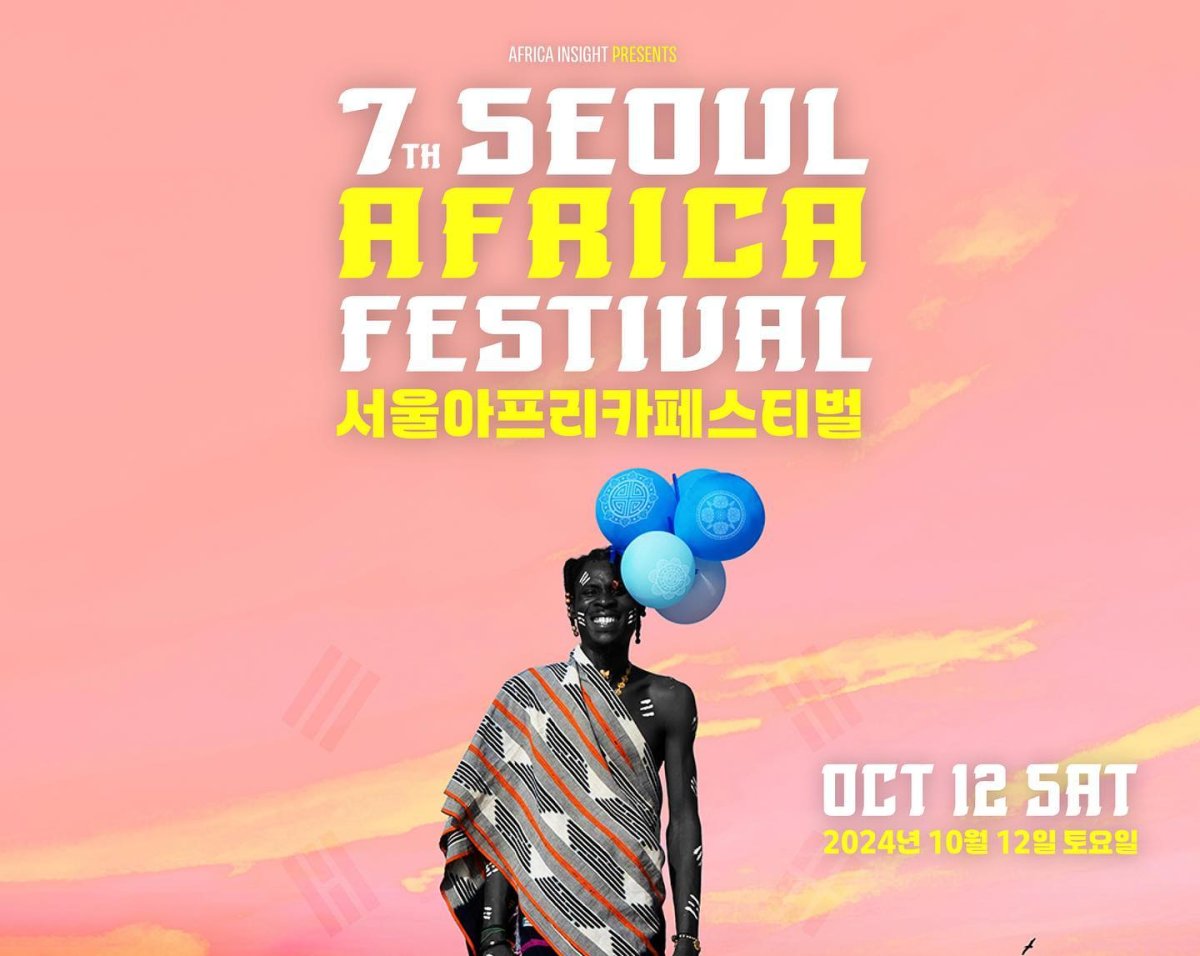
October 12, 2024, marked a significant milestone in Ubuntu Network’s advocacy journey. When the opportunity arose to participate in the 7th Seoul Africa Festival at Banpo Hangang Park, I knew this was the perfect platform to expand our message beyond Jeju and connect with Korea’s broader African community network.
The Seoul Africa Festival, organized by Africa Insight, has been Korea’s largest Africa-focused cultural event since 2016. With the theme “Meet Africa’s Diverse Charm in Seoul,” this year’s festival brought together over 200 organizations, African embassies, and community groups for a day of cultural celebration and meaningful exchange.
Preparing Our Voice
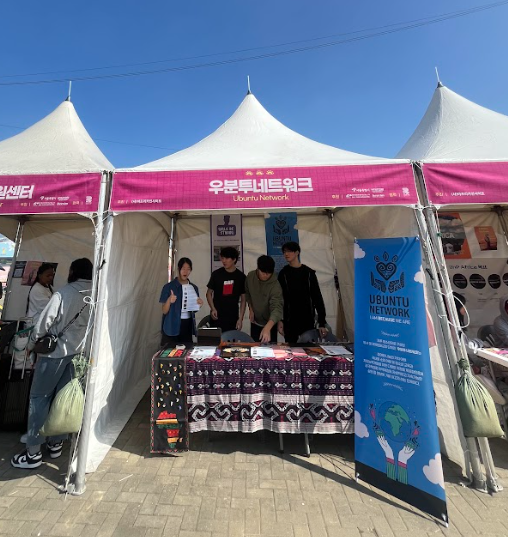
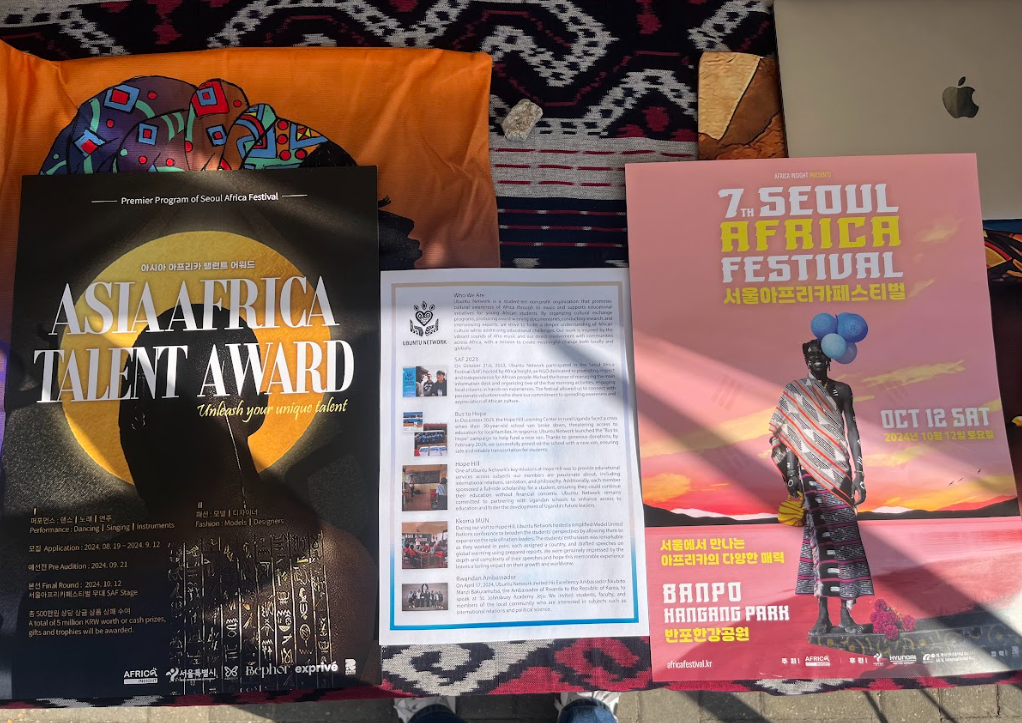
Preparing for the festival required weeks of coordination. Our Ubuntu Network team spent countless hours creating exhibition materials that would effectively tell our story to a national audience. We developed a comprehensive display showcasing our journey from Hope Bridge 2024 to the upcoming HopeHillBloom 2025 project.
The booth design focused on three key themes: the Ubuntu philosophy of interconnectedness, our concrete achievements in supporting Ugandan children’s education, and the cross-cultural learning that had enriched our own perspectives. We wanted visitors to understand that our work wasn’t just about helping others—it was about building genuine partnerships that benefited everyone involved.
Cultural Bridge Building
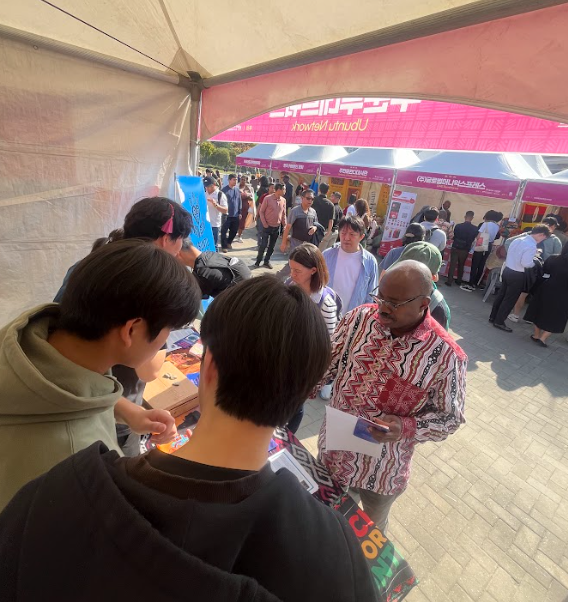
Our booth became a hub of meaningful conversations throughout the day. Visitors ranged from Korean students interested in international volunteer work to African residents in Korea sharing their own cultural experiences. The most impactful moments came when we could connect our specific work in Uganda with the broader themes of the festival.
One particularly meaningful encounter was with a representative from the Ugandan Embassy. When I explained our partnership with Hope Hill School and our upcoming return visit, their eyes lit up with recognition and appreciation. They provided valuable insights about educational challenges in rural Uganda and suggested potential collaboration opportunities for future projects.
The festival’s emphasis on “authentic cultural exchange” resonated perfectly with Ubuntu Network’s approach. Rather than presenting ourselves as helpers bringing aid, we positioned our work as a mutual learning partnership where Korean students and Ugandan children both gained valuable perspectives and skills.
Expanding Our Network
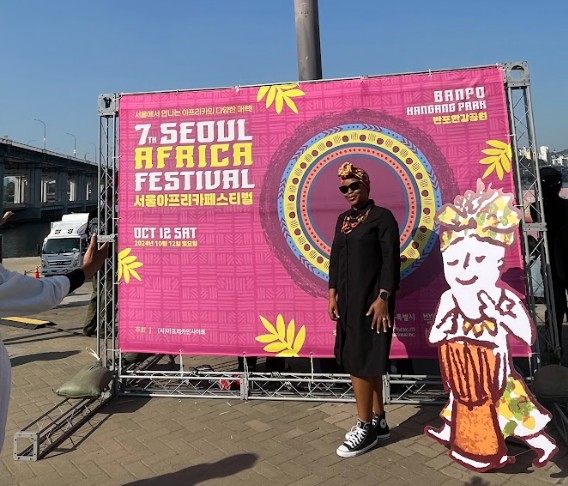
The festival provided unprecedented networking opportunities with organizations working across the African continent. We connected with groups supporting education in Kenya, Tanzania, and Rwanda, discovering common challenges and sharing effective strategies.
Most significantly, we established contact with Africa Insight, the festival’s organizing body. Their approach to sustainable development partnerships aligned closely with Ubuntu Network’s philosophy, and preliminary discussions about potential collaboration opportunities for 2025 were incredibly promising.
These connections weren’t just about expanding our reach—they were about learning from experienced organizations how to maximize impact while respecting local cultures and needs. The advice we received about long-term sustainability and community ownership would prove invaluable for our future planning.
Youth Leadership on Display
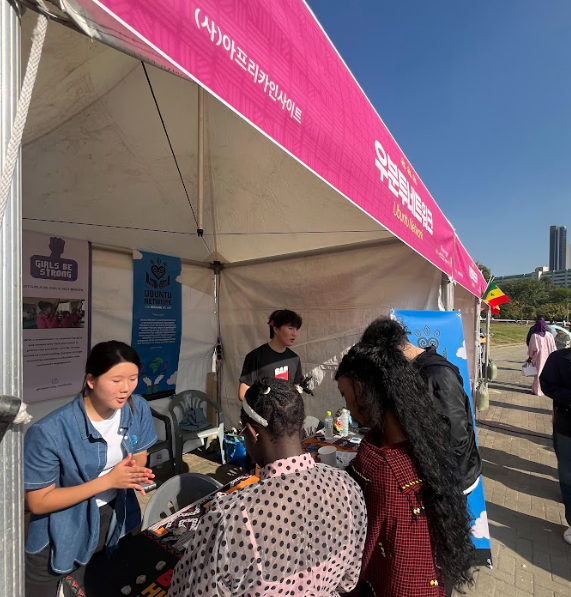
One of the festival’s highlights was the youth leadership showcase, where young people from both Korean and African backgrounds shared their community engagement projects. As I presented Ubuntu Network’s work, I was struck by the diversity and creativity of youth-led initiatives addressing social challenges.
The conversations with other young leaders reinforced my belief that sports psychology principles—goal setting, team dynamics, resilience building—were universal tools for community development. Whether the focus was education in Uganda or cultural integration in Seoul, the fundamental approaches to motivating and supporting people remained remarkably consistent.
This cross-pollination of ideas would later influence how I approached the sports programming for HopeHillBloom 2025, incorporating insights from urban community work into our rural Ugandan context.
Media and Public Awareness
The festival’s media coverage provided an invaluable opportunity to share Ubuntu Network’s message with a broader audience. During a brief interview with festival organizers, I emphasized how our work was evolving from simple assistance to comprehensive educational partnerships.
The key message I wanted to convey was that effective international cooperation required long-term commitment and genuine relationship building. Our upcoming second visit to Hope Hill School wasn’t just about delivering more programs—it was about deepening partnerships and creating sustainable systems for ongoing collaboration.
Learning from Established Organizations
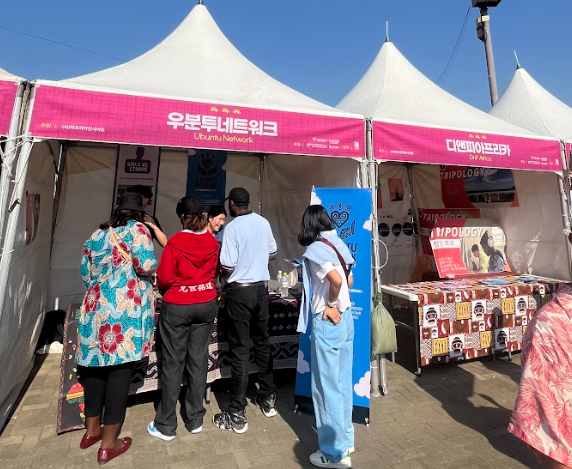
Meeting with representatives from Africa Insight and other established organizations provided crucial learning opportunities about scaling community development work. Their emphasis on “changing paradigms about Africa” rather than simply providing aid resonated strongly with Ubuntu Network’s evolving approach.
The discussions helped clarify how our sports psychology background could contribute to broader community development goals. The principles of inclusive programming, adaptive strategies, and celebrating diverse strengths weren’t just relevant to athletics—they were fundamental to effective cross-cultural partnership.
Planning Future Collaborations
As the festival concluded, we had established concrete plans for future collaboration with several organizations. The connections made at Seoul Africa Festival would directly influence our 2025 programming, from enhanced educational curricula to expanded cultural exchange opportunities.
Most importantly, the festival experience reinforced our commitment to positioning Ubuntu Network as a bridge between Korean youth engagement and authentic African partnership. We weren’t just students helping children—we were young leaders learning to build sustainable international relationships.
Reflections on Advocacy Scale
Participating in Seoul Africa Festival taught me valuable lessons about expanding advocacy work from local to national platforms. The scale required different communication strategies, more sophisticated partnership approaches, and deeper understanding of cultural nuances.
But the core principles remained the same: authentic relationship building, mutual respect, and commitment to long-term partnership. Whether working with 80 children at Hope Hill School or engaging with thousands of festival visitors in Seoul, the fundamental approach of “Ubuntu”—recognizing our interconnectedness—proved universally effective.
The festival experience prepared me for the next phase of our work, where individual relationships and community partnerships would need to scale up to institutional and organizational levels while maintaining the personal connections that made our work meaningful.
The network of contacts, insights, and collaborative opportunities developed at Seoul Africa Festival would prove crucial as we prepared for HopeHillBloom 2025 and the transformative encounter with Paralympic champion Husna Kukundakwe that awaited us.
Next: Building on these expanded networks and advocacy skills, we prepare for our most ambitious community engagement project yet, returning to Hope Hill School with deeper partnerships and more comprehensive programming.
About this series: This post is part of my ongoing documentation of community engagement and sports-based advocacy work. Follow along as we explore the intersection of sports psychology, cultural exchange, and inclusive athletics.


